
Mount Kilimanjaro
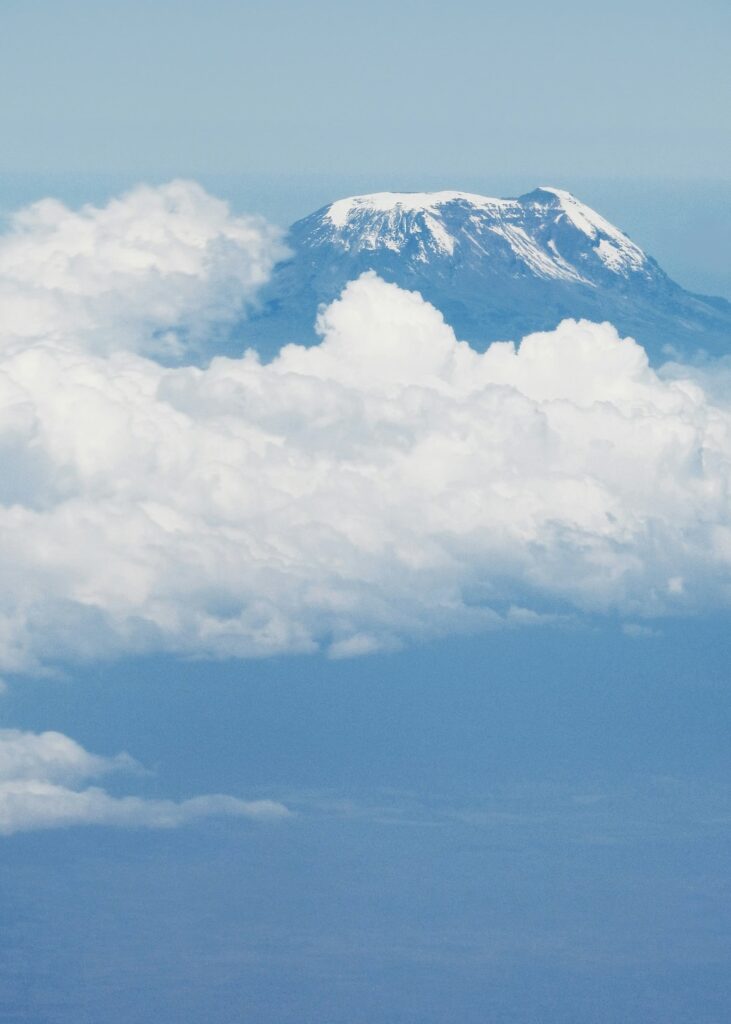
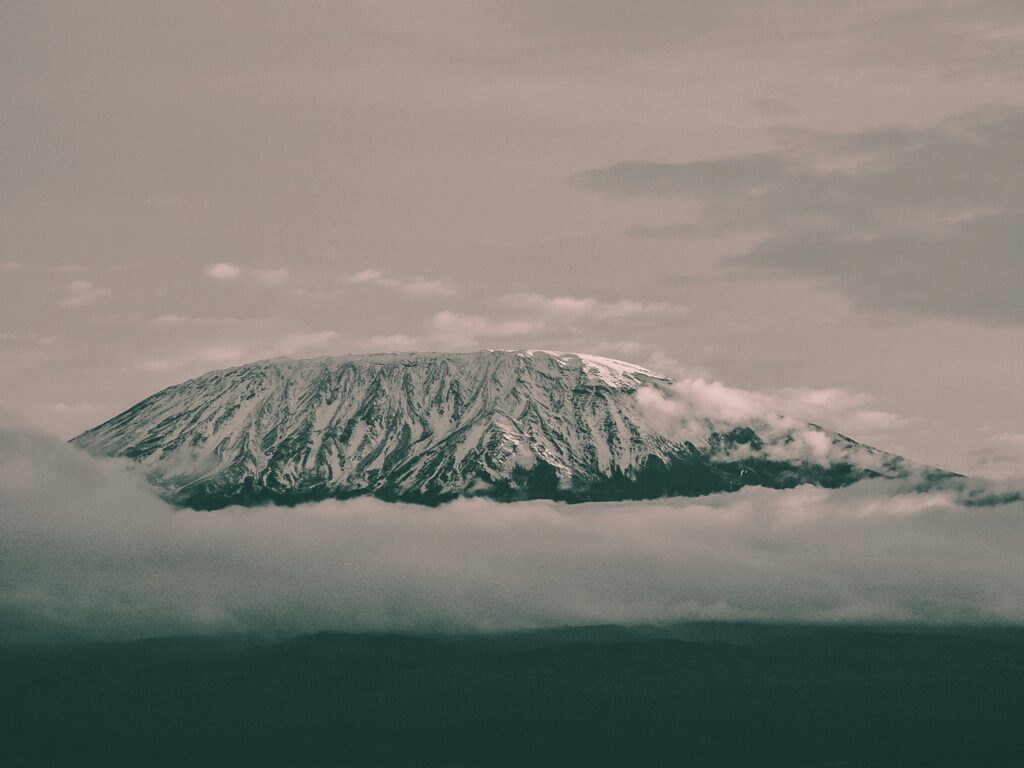
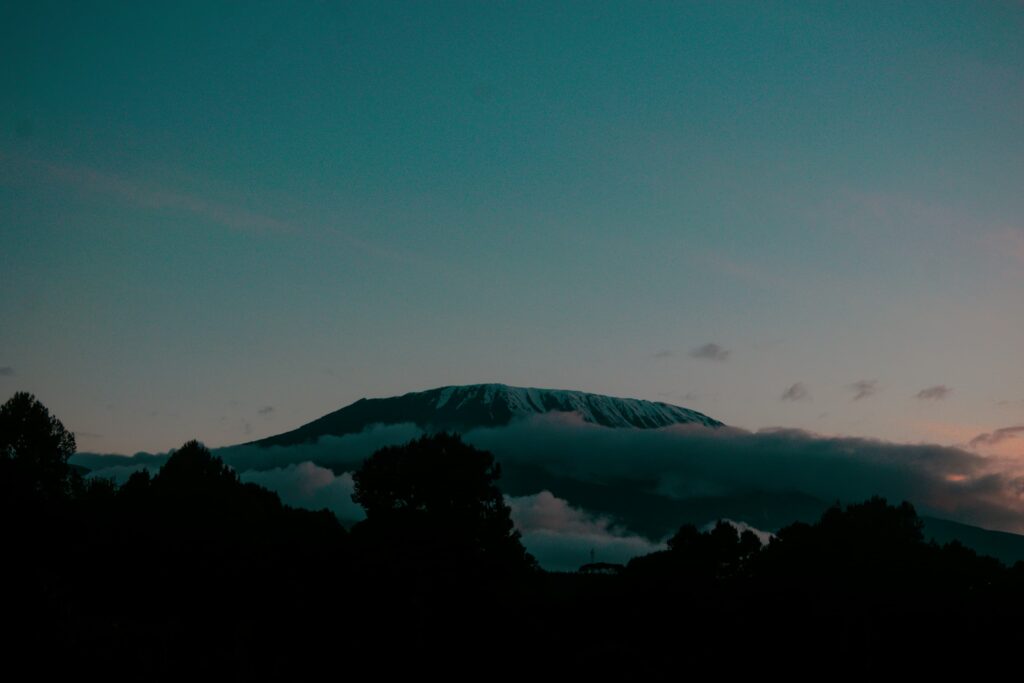
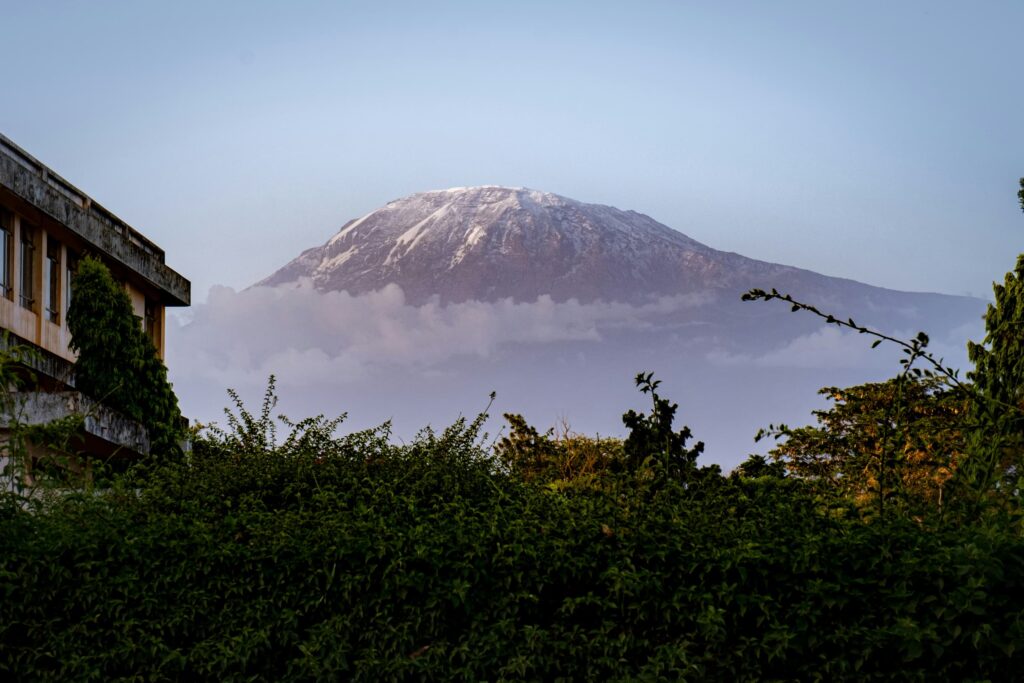
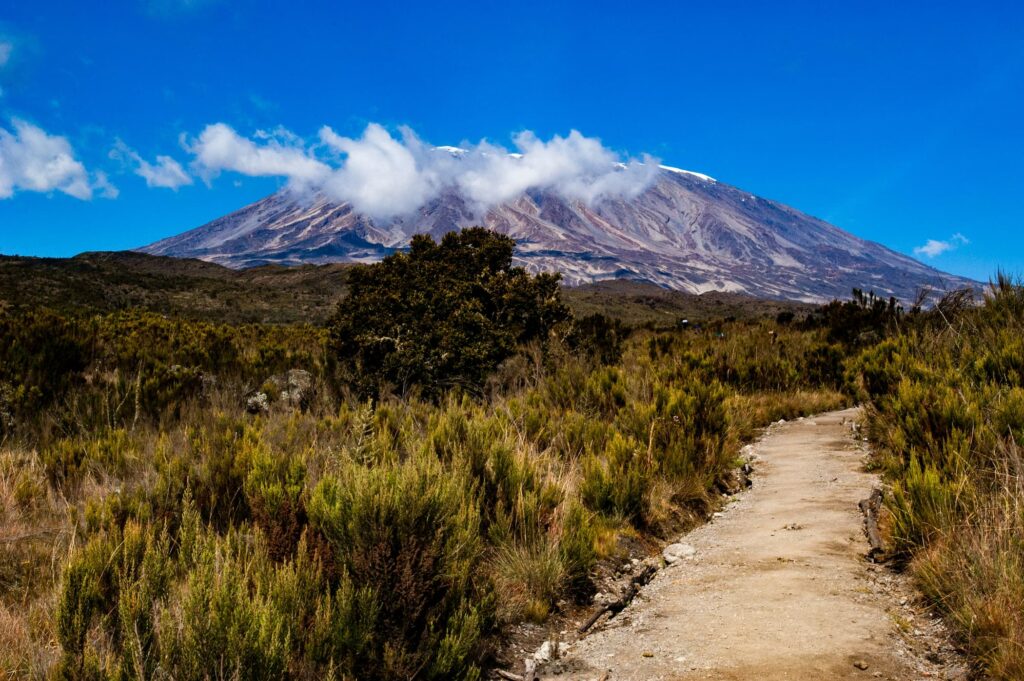
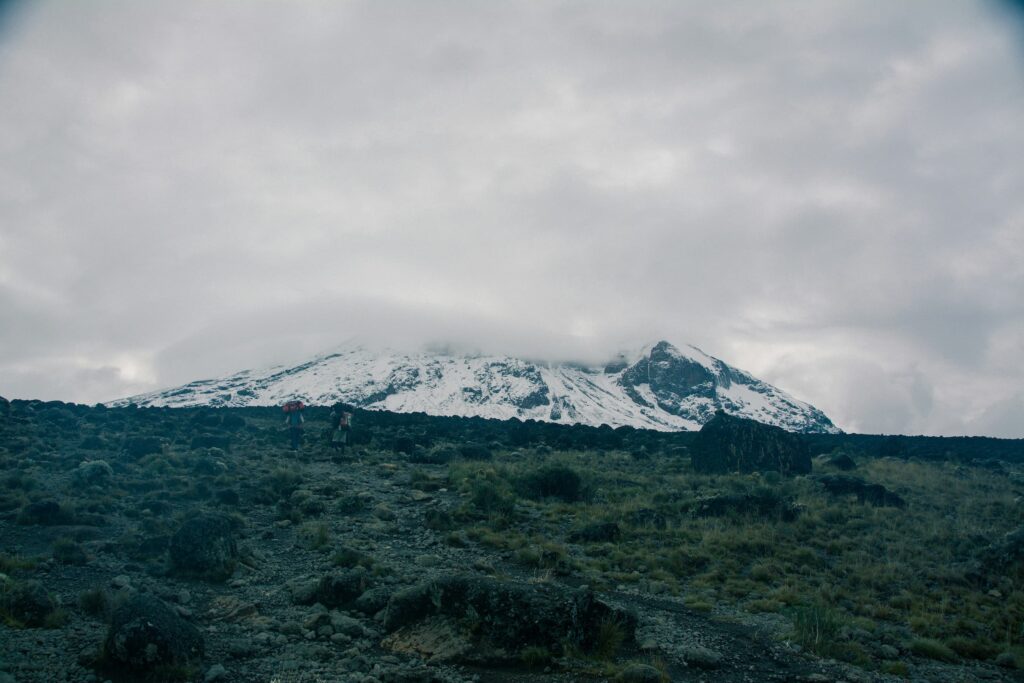
Mount Kilimanjaro is Africa's highest peak and the world's tallest free-standing mountain, rising 5,895 metres above sea level. Trekkers pass through five distinct ecological zones — cultivated farmland, dense rainforest, heather moorland, alpine desert, and the glaciated arctic summit — making it one of the most diverse and visually dramatic climbs on earth. No technical climbing experience is required, making Uhuru Peak genuinely accessible to fit, acclimatised hikers.
Attractions & Wildlife
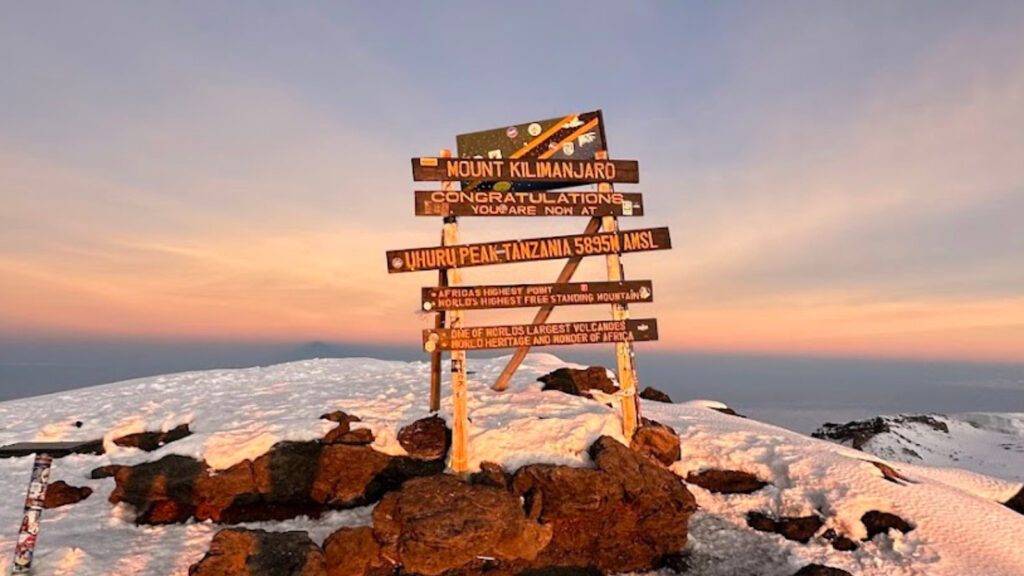
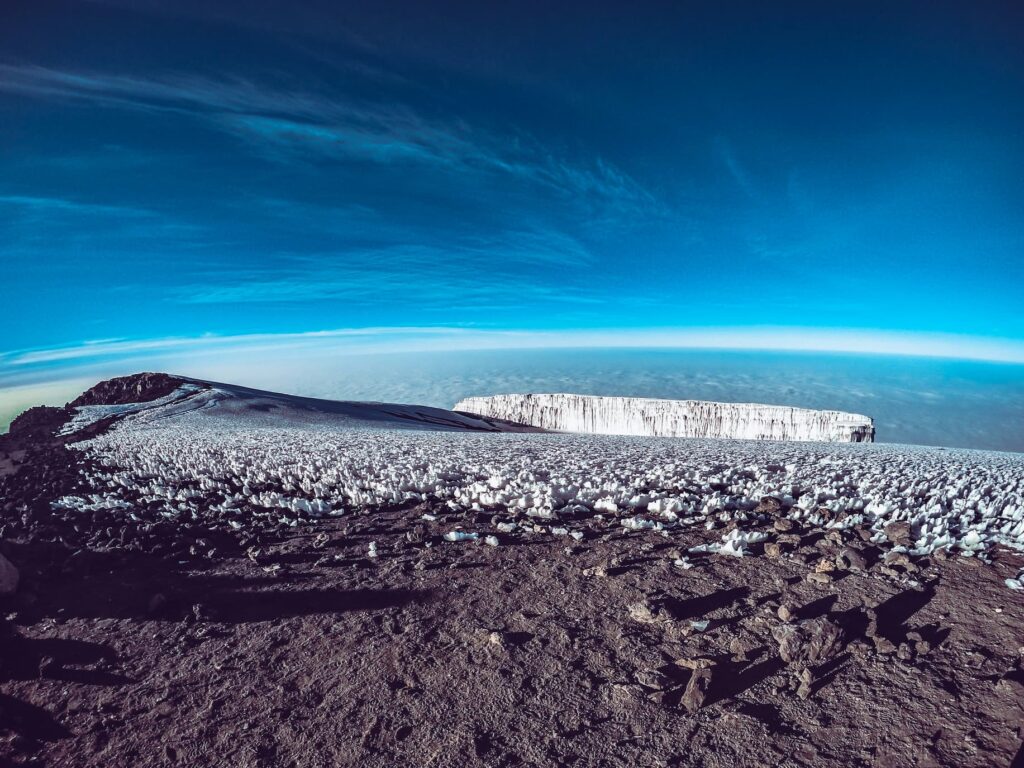
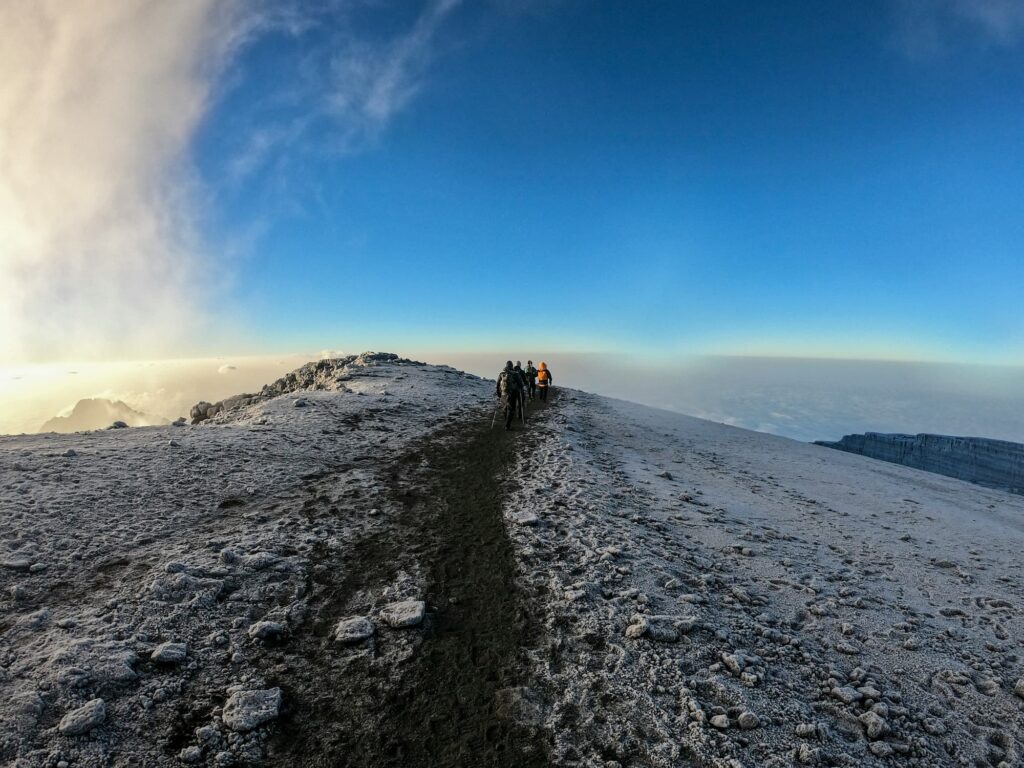
Uhuru Peak Summit
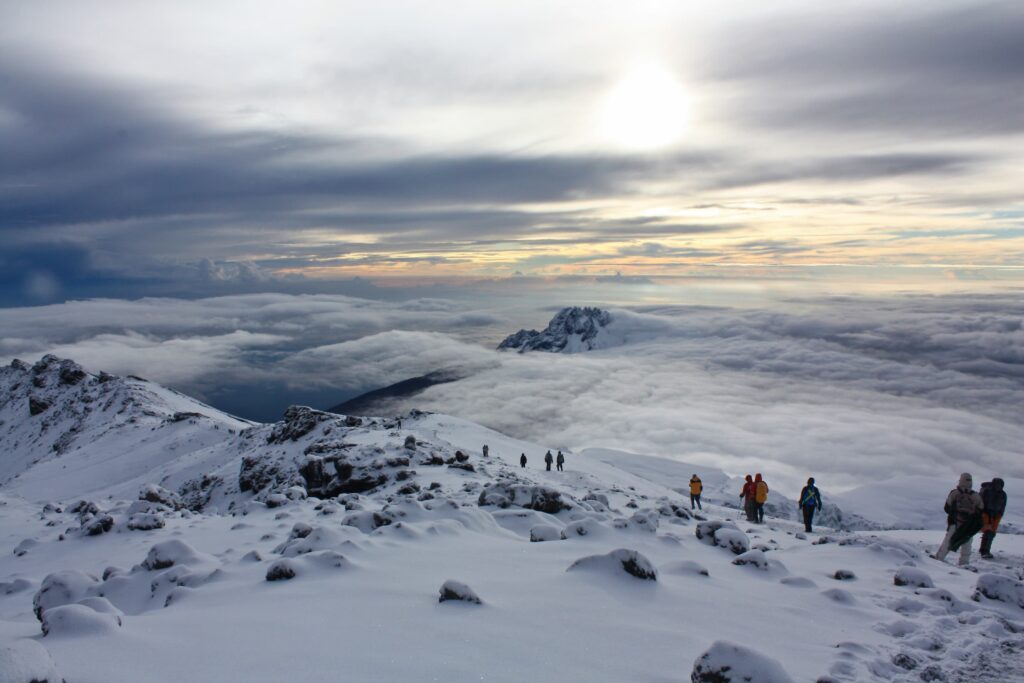
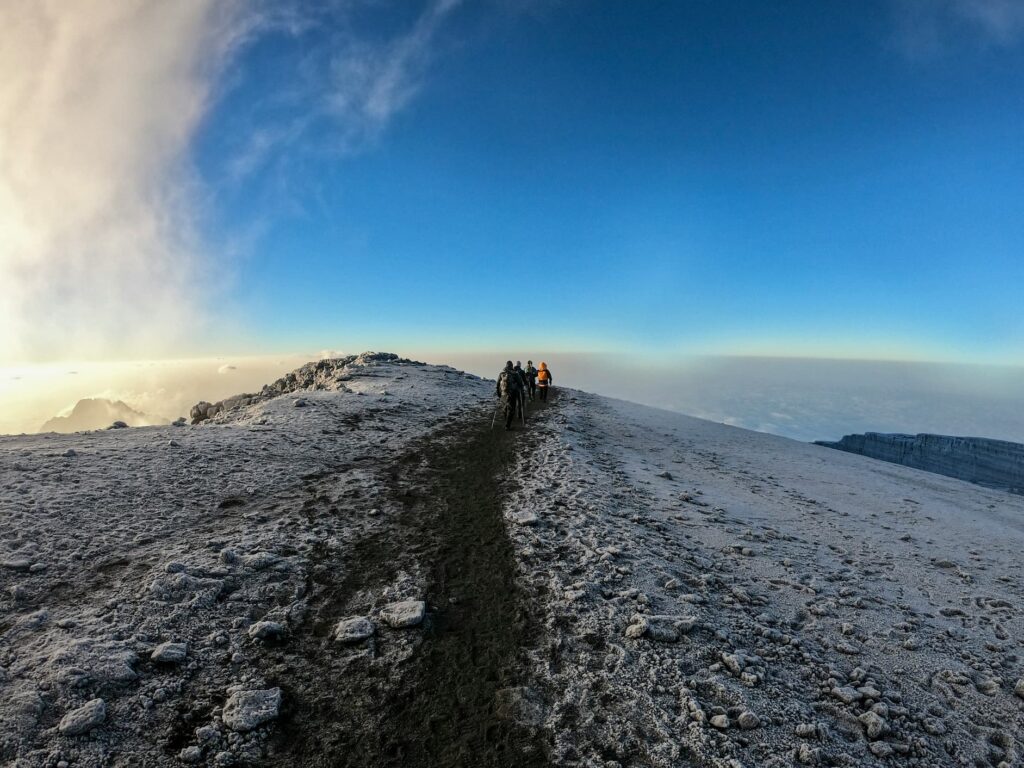
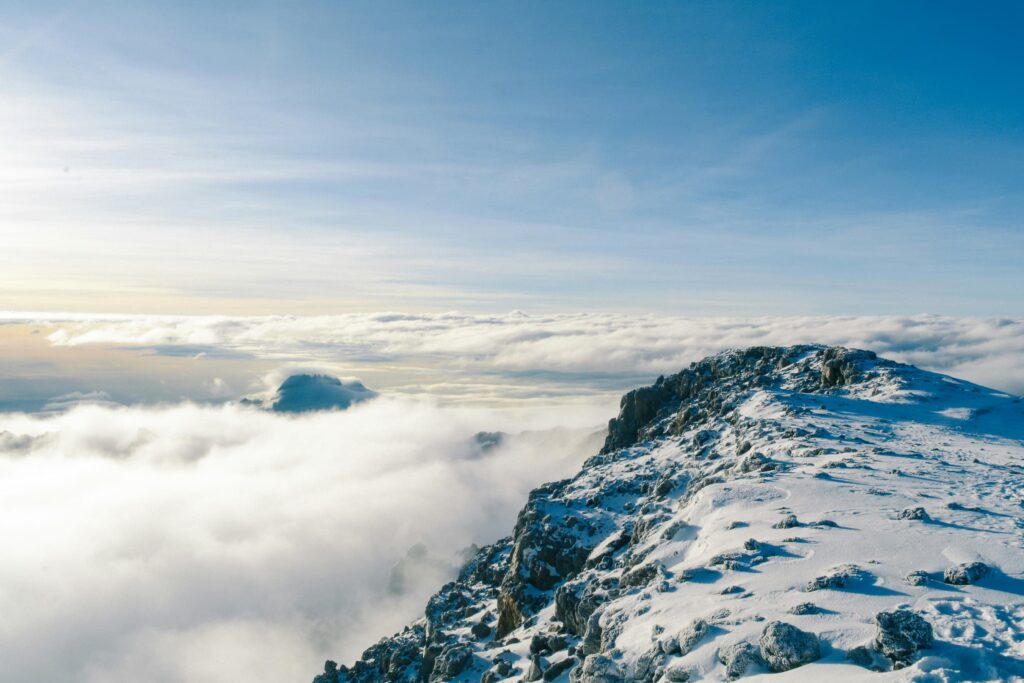
Standing at 5,895 metres on the Roof of Africa at dawn, watching the sun rise over the clouds below and the glaciers glow gold — one of the most powerful experiences available to non-technical climbers anywhere.
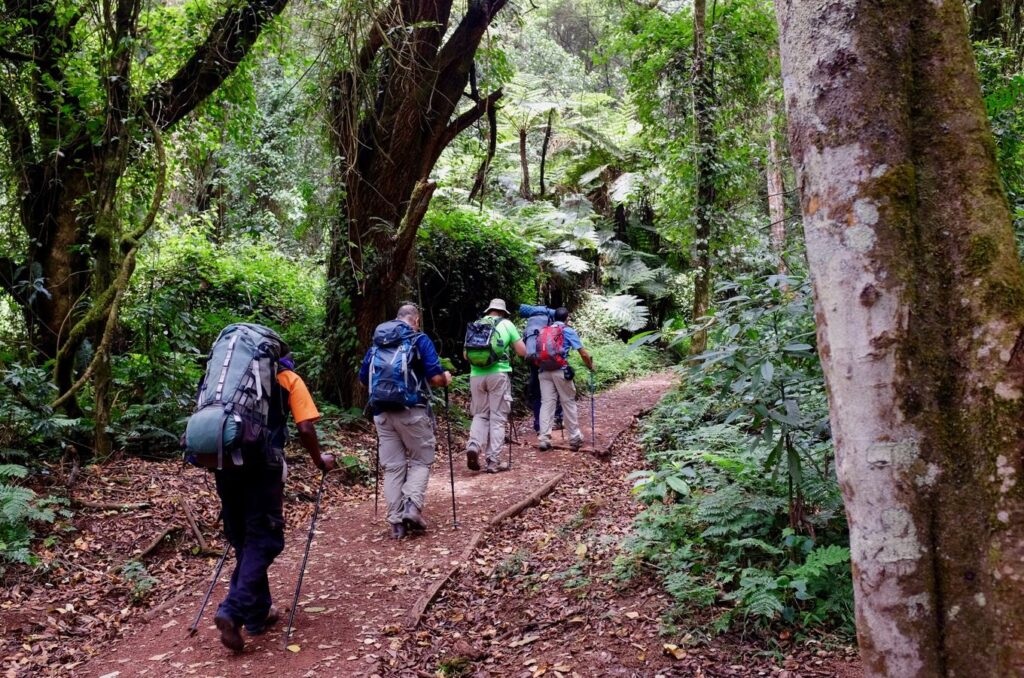
Lemosho Route
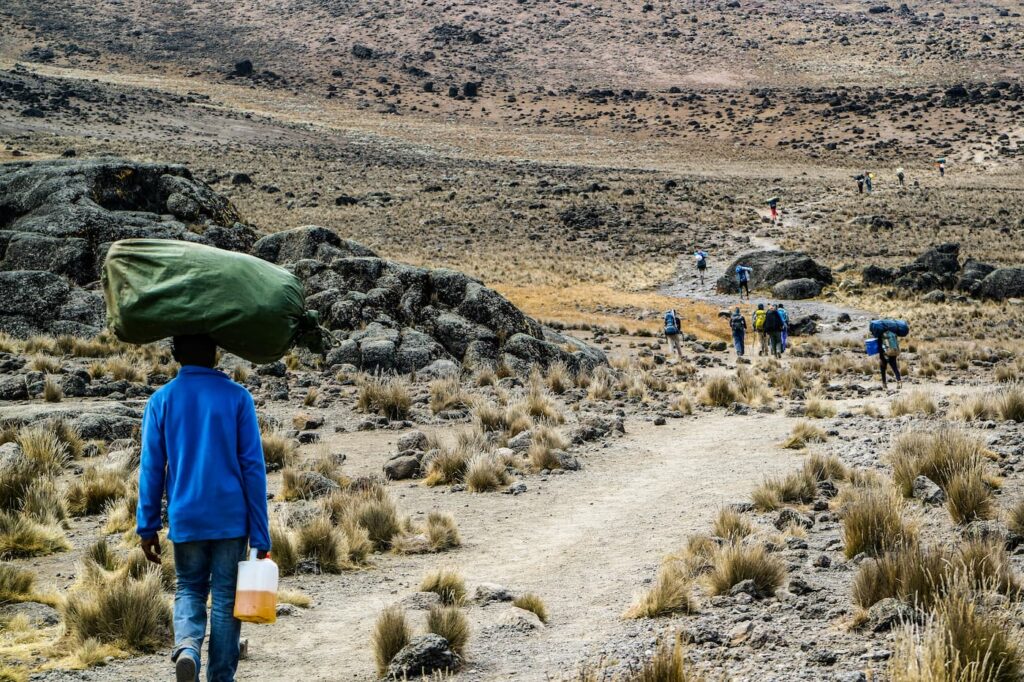
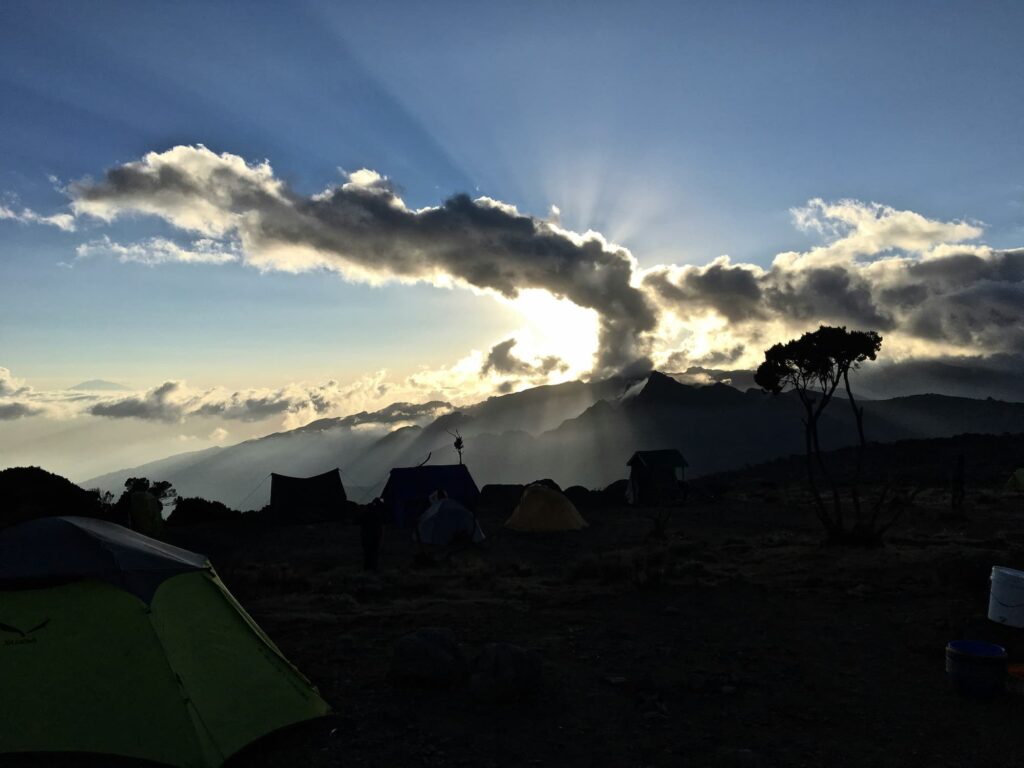
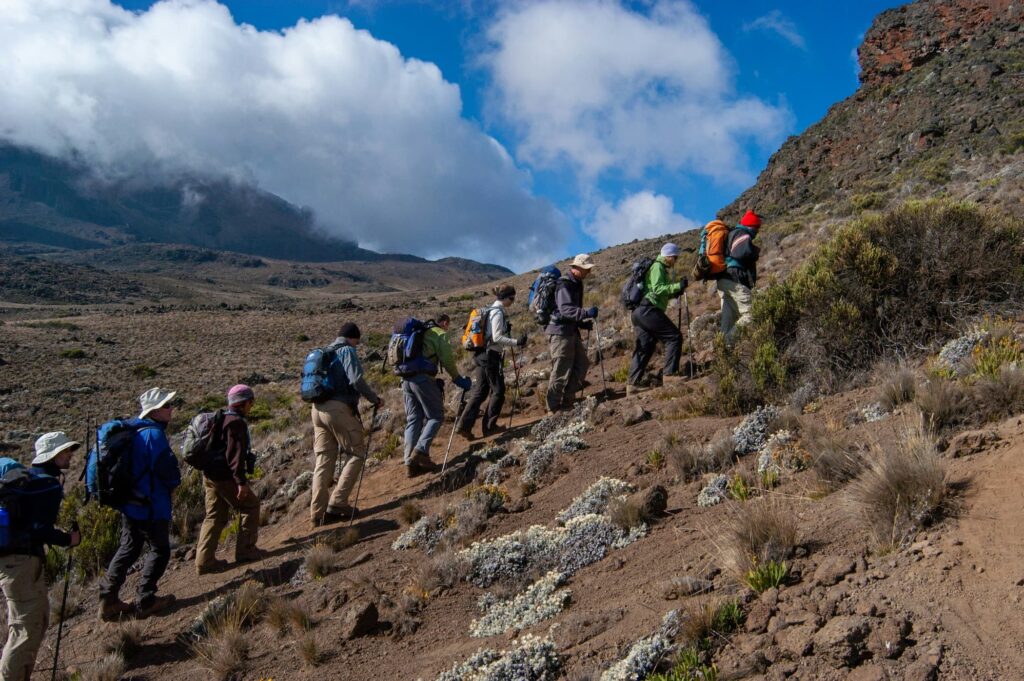
The most scenic and least crowded of the major routes — an 8-day traverse of Kilimanjaro's spectacular western face through pristine rainforest and dramatic lava towers.
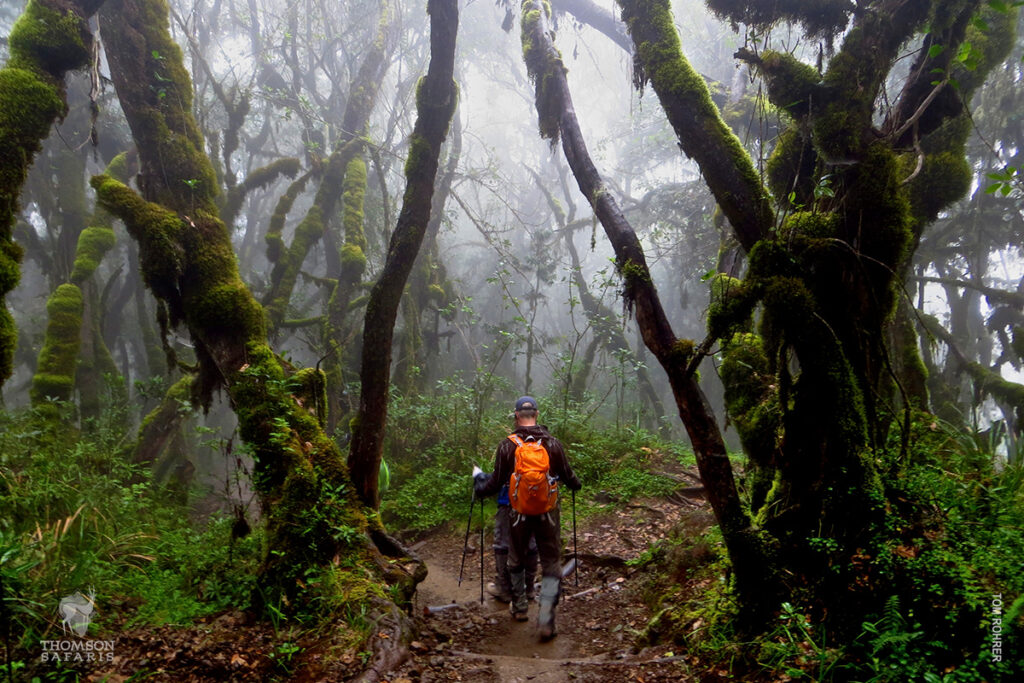
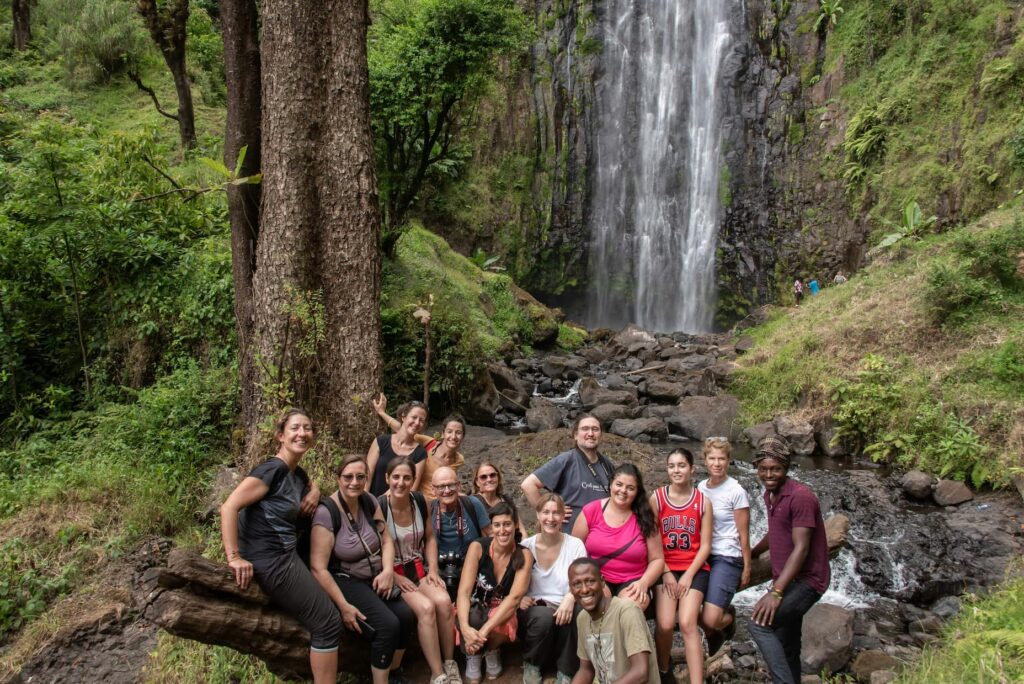
Rainforest Zone
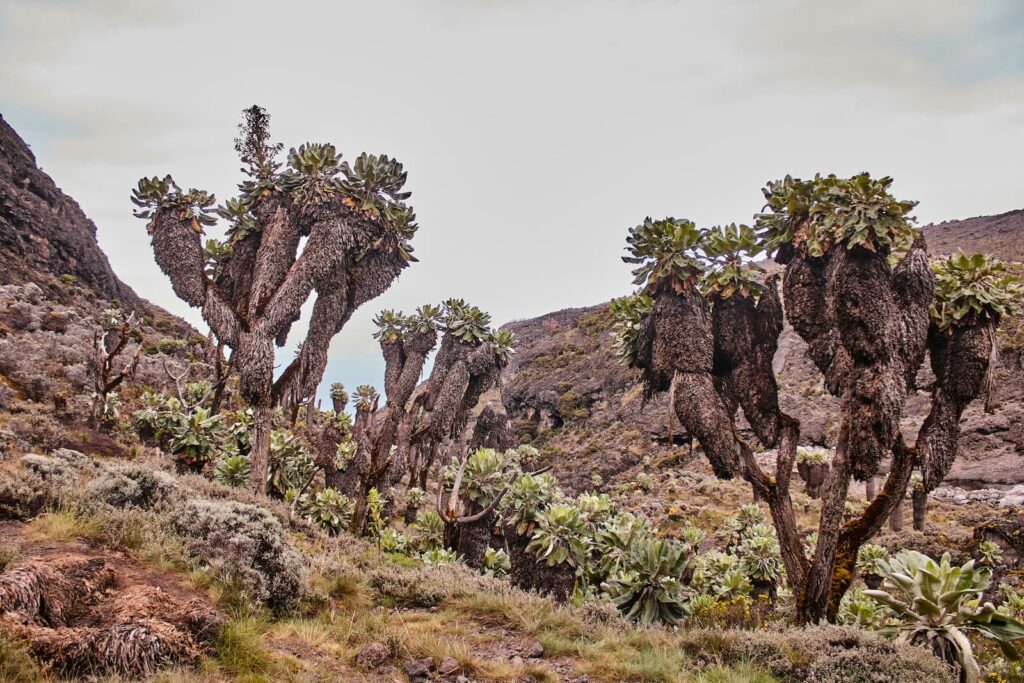
The lower slopes are cloaked in ancient, mist-wrapped rainforest full of colobus monkeys, exotic birds, and enormous mountain trees.
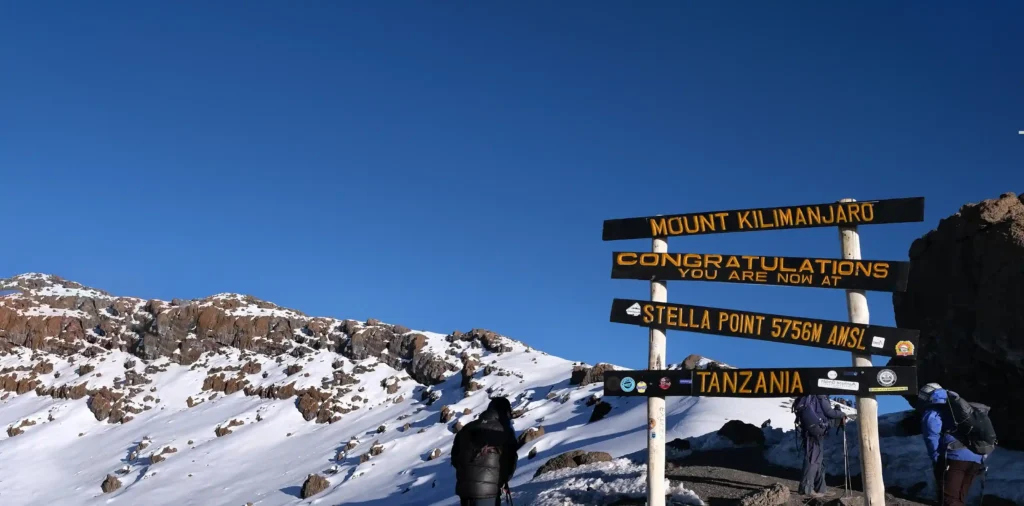
Stella Point & Crater Rim
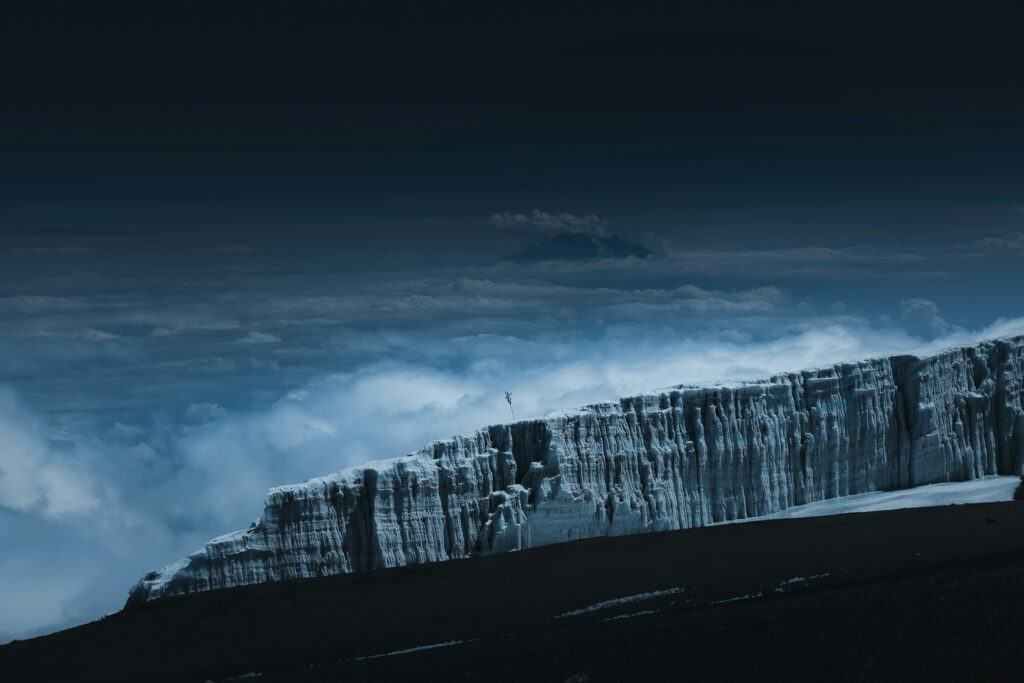
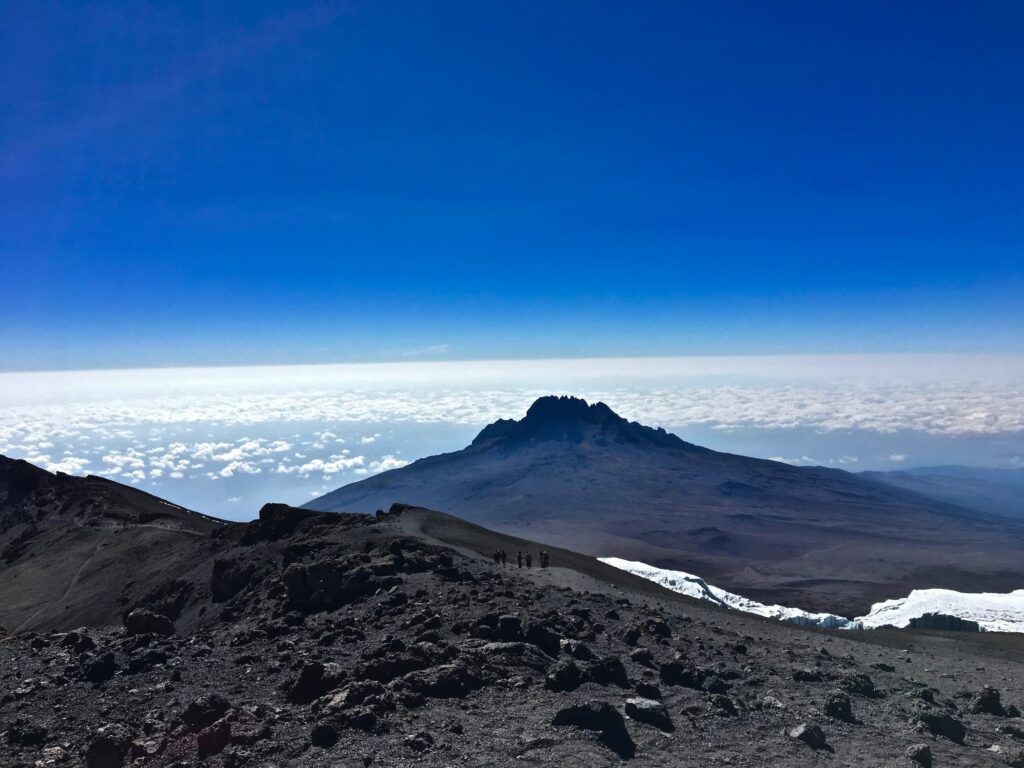
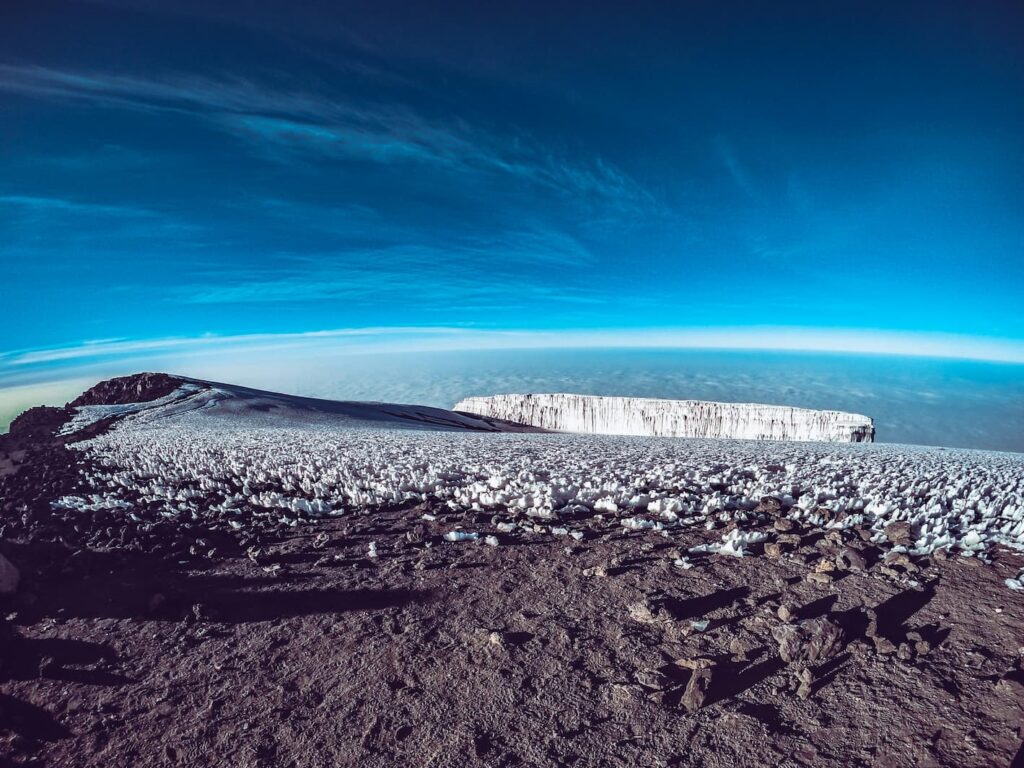
At 5,739 metres, Stella Point on the southern crater rim is the highest most trekkers will ever reach — and the glaciers visible from here are among the last in Africa.
Photo Gallery
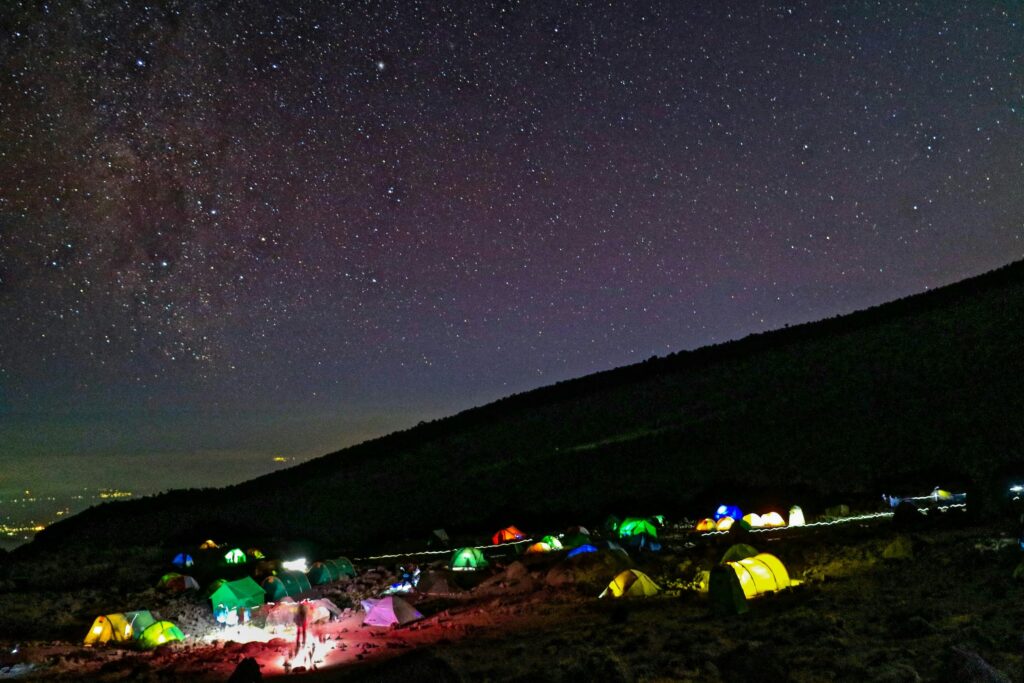
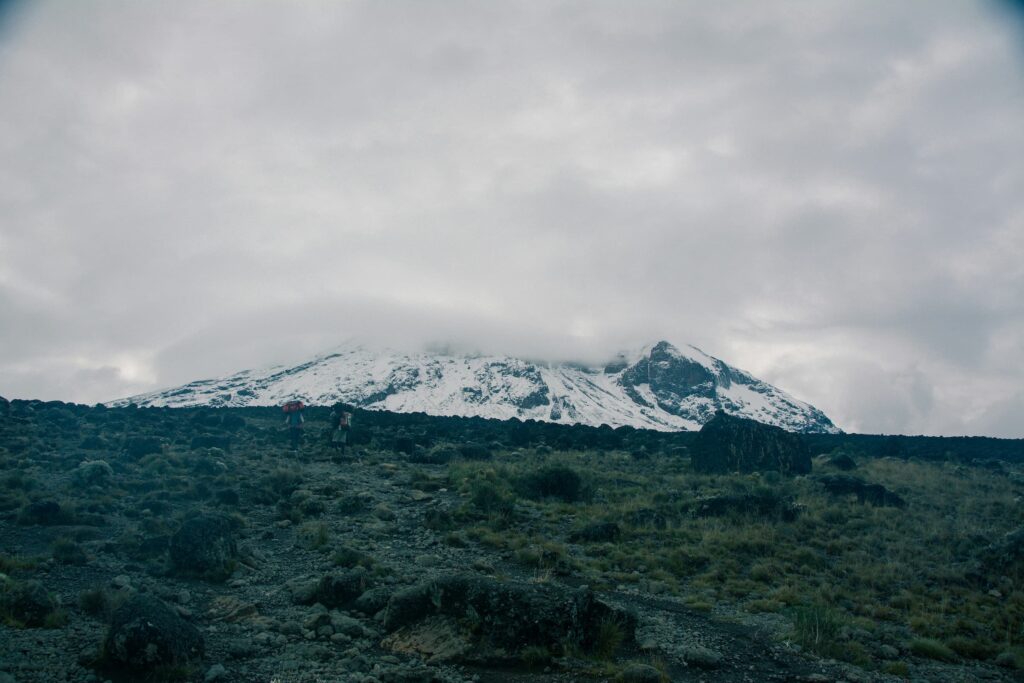
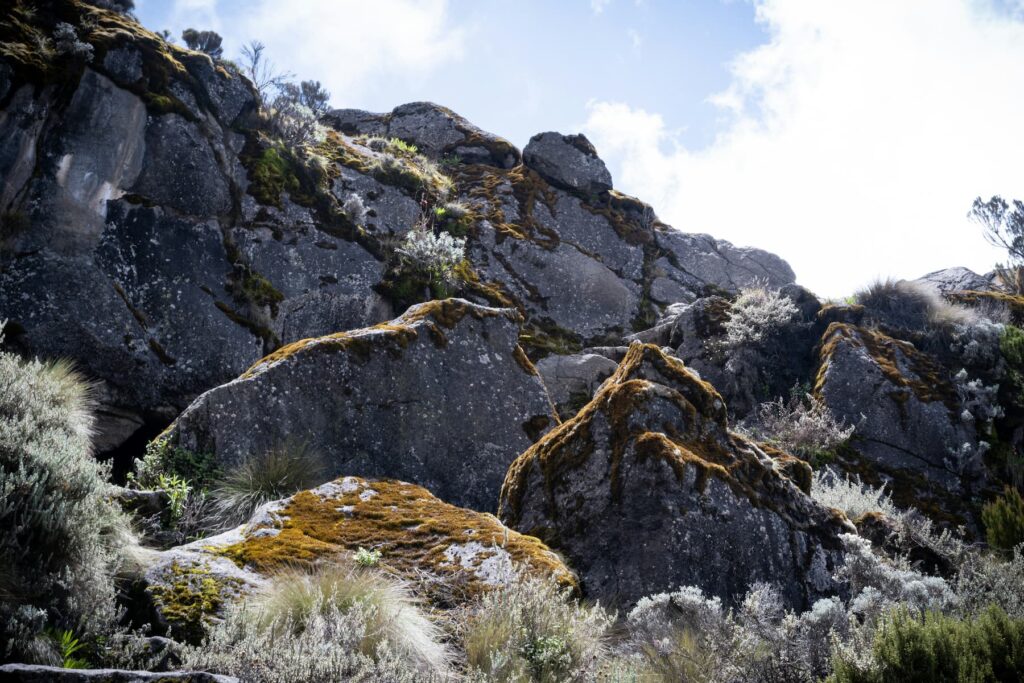
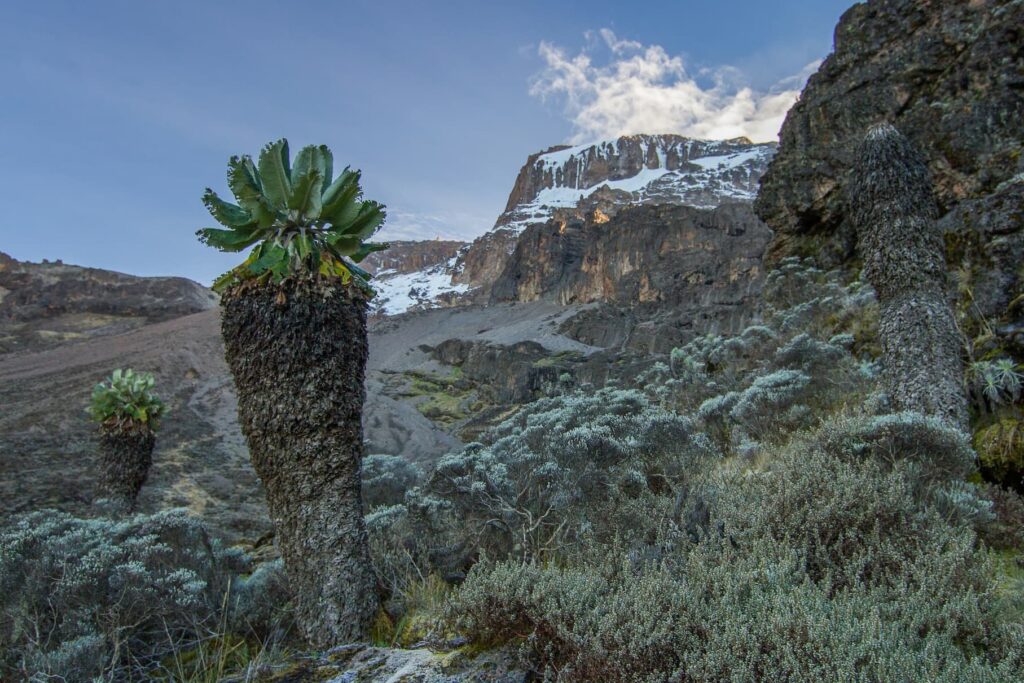
Our Insider Tips
7–8 day routes have far better summit success rates. The classic 5-day Marangu route has a poor acclimatisation profile and low success rates. The Lemosho (8 days) or Machame (7 days) routes are far better.
Pole pole — slowly slowly — is the only strategy. Go extremely slowly, especially above 4,000 metres. Racing to impress other trekkers is the number one cause of turnarounds.
The top is very cold — pack for it. Summit night temperatures regularly reach -20°C on the wind chill. A quality down jacket, insulated gloves, and neoprene face cover are essential.