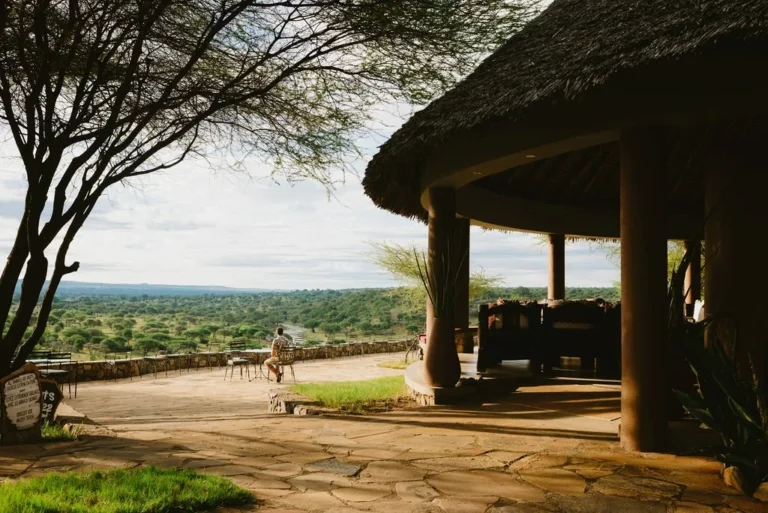
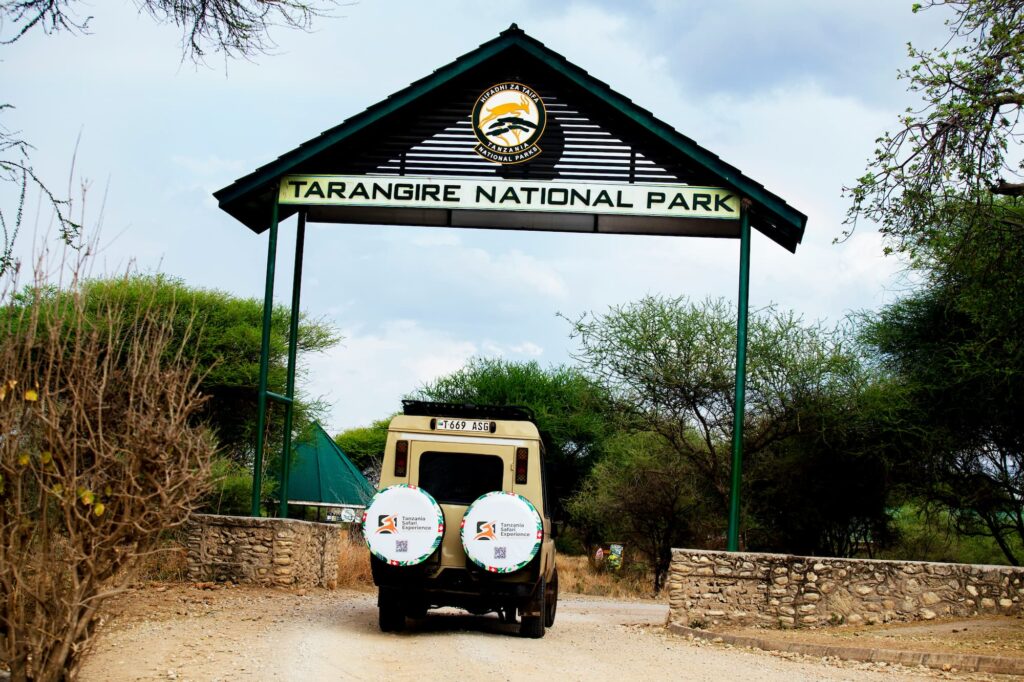
Tarangire National Park
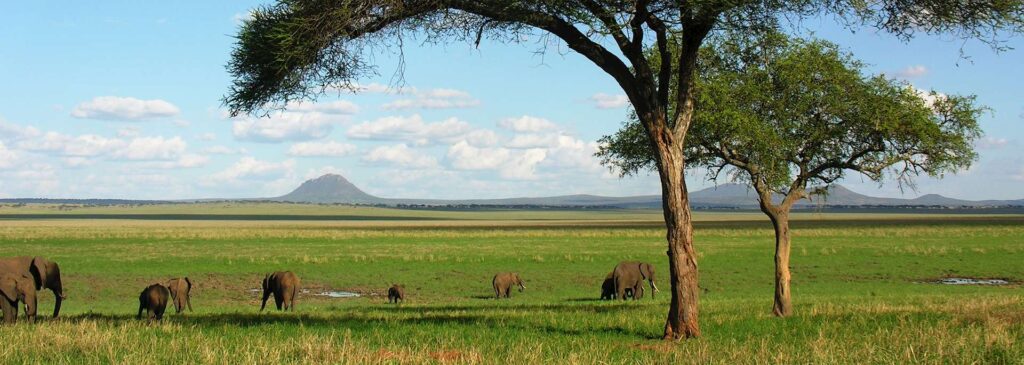
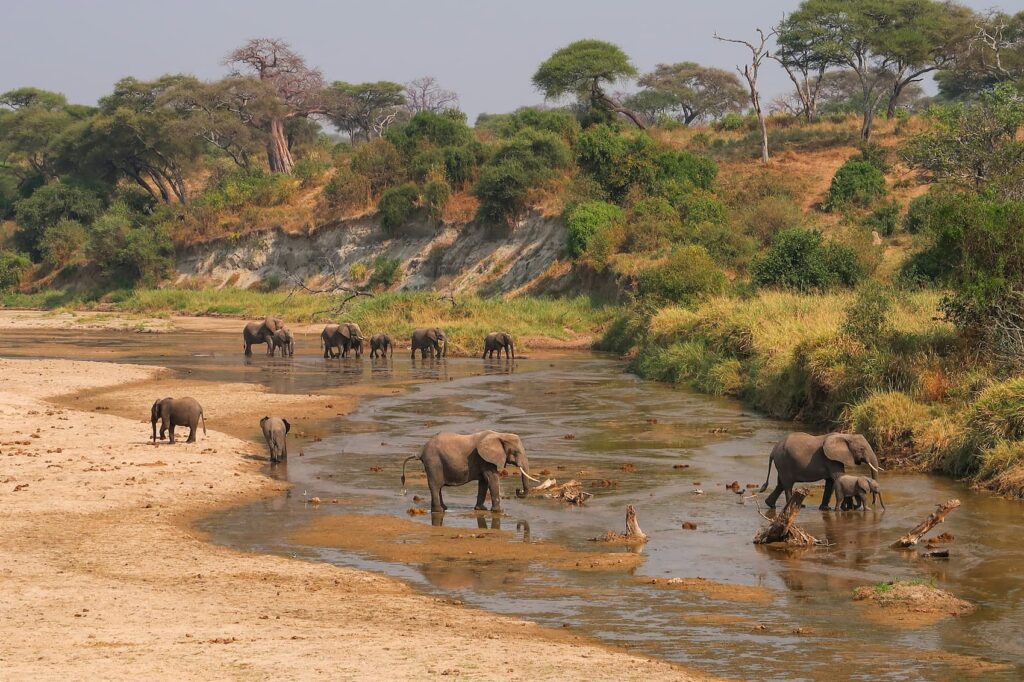
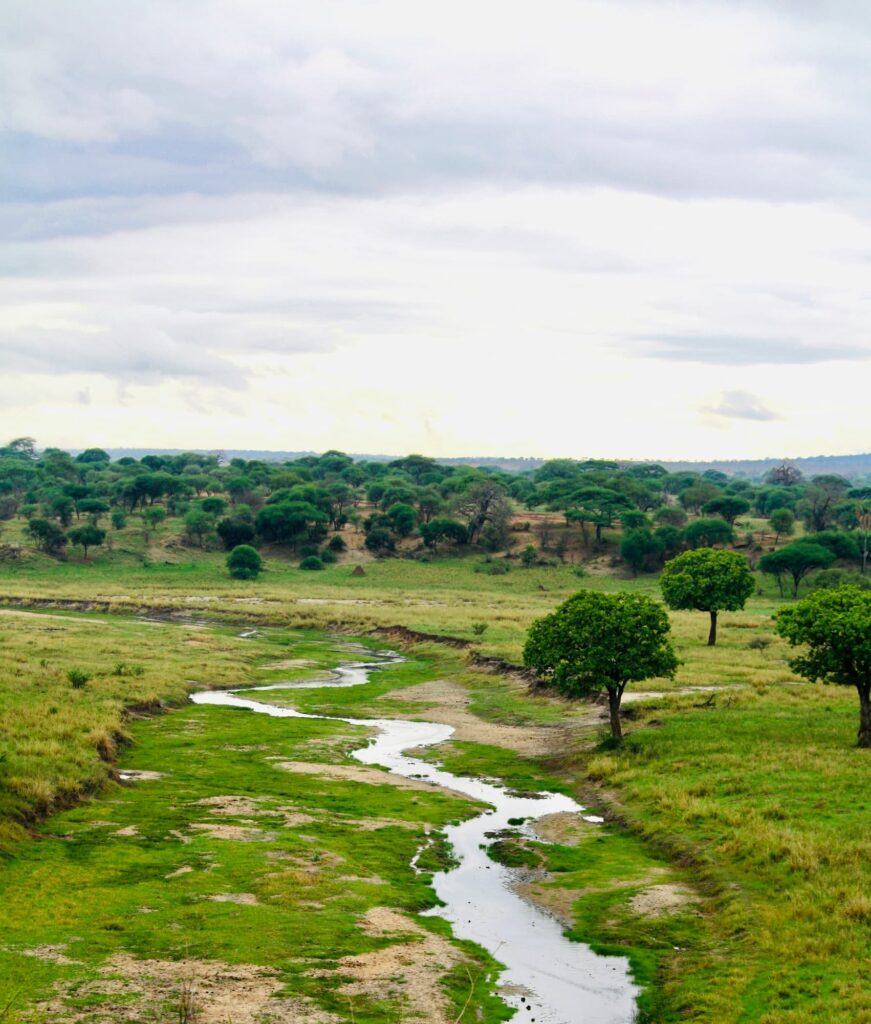
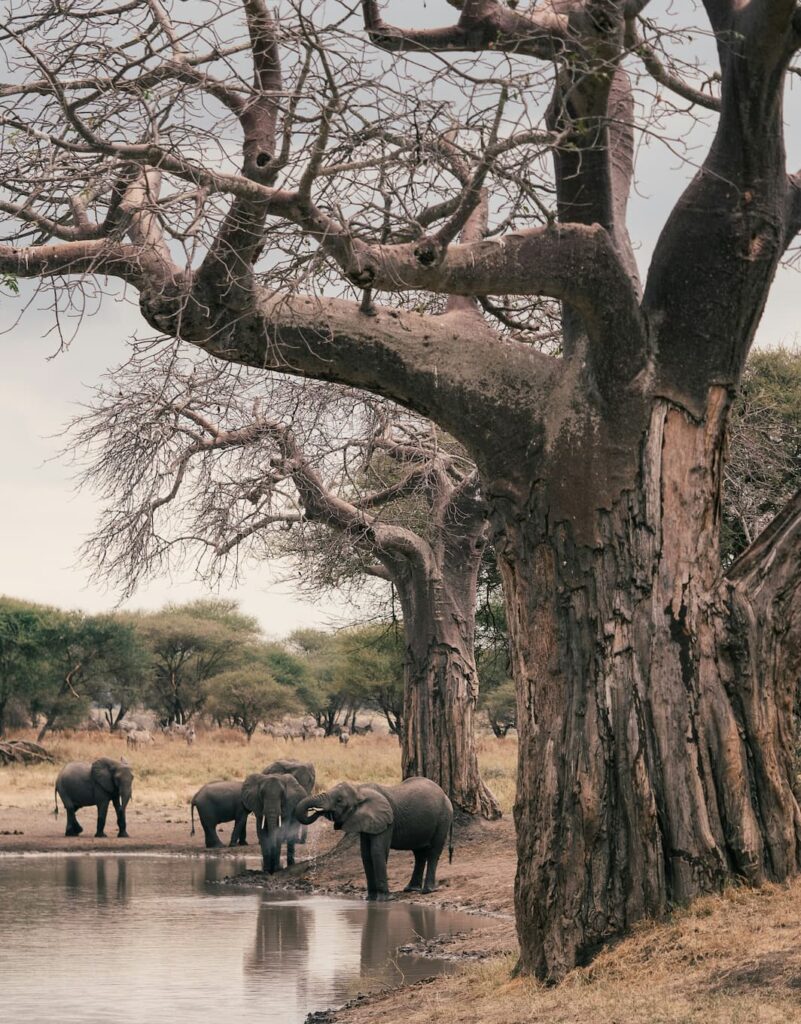
Tarangire National Park is northern Tanzania's best-kept secret — a vast, ancient landscape of baobab-dotted hills, seasonal swamps, and the life-giving Tarangire River. During the dry season the river draws the largest concentration of elephants in East Africa alongside lions, leopards, wild dogs, and enormous herds of buffalo and zebra. The park's iconic ancient baobabs — some over a thousand years old — give it a unique, timeless atmosphere unlike any other park in the region.
Attractions & Wildlife
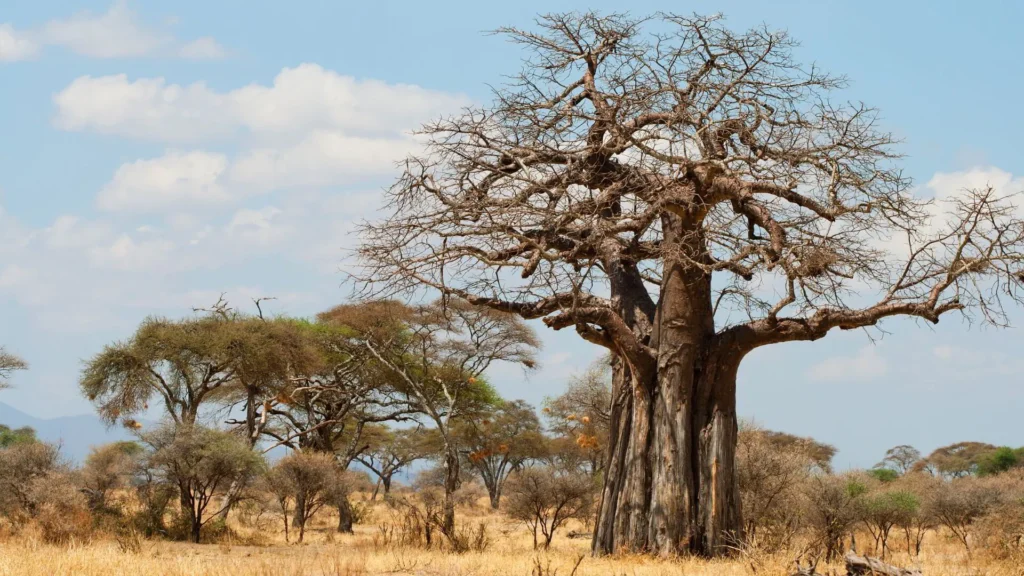
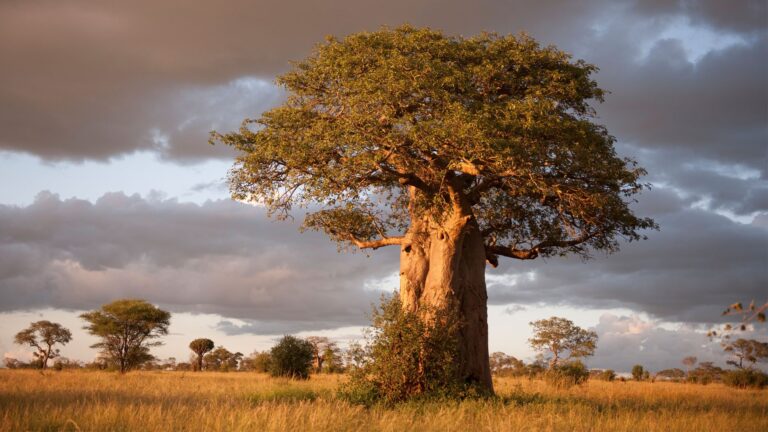
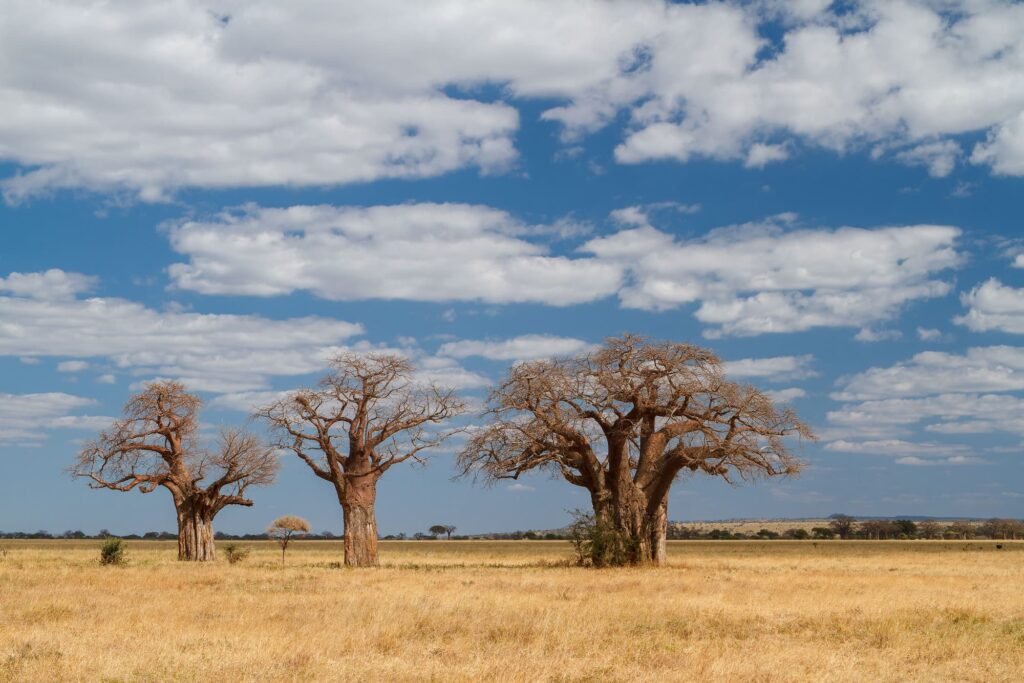
Ancient Baobab Trees
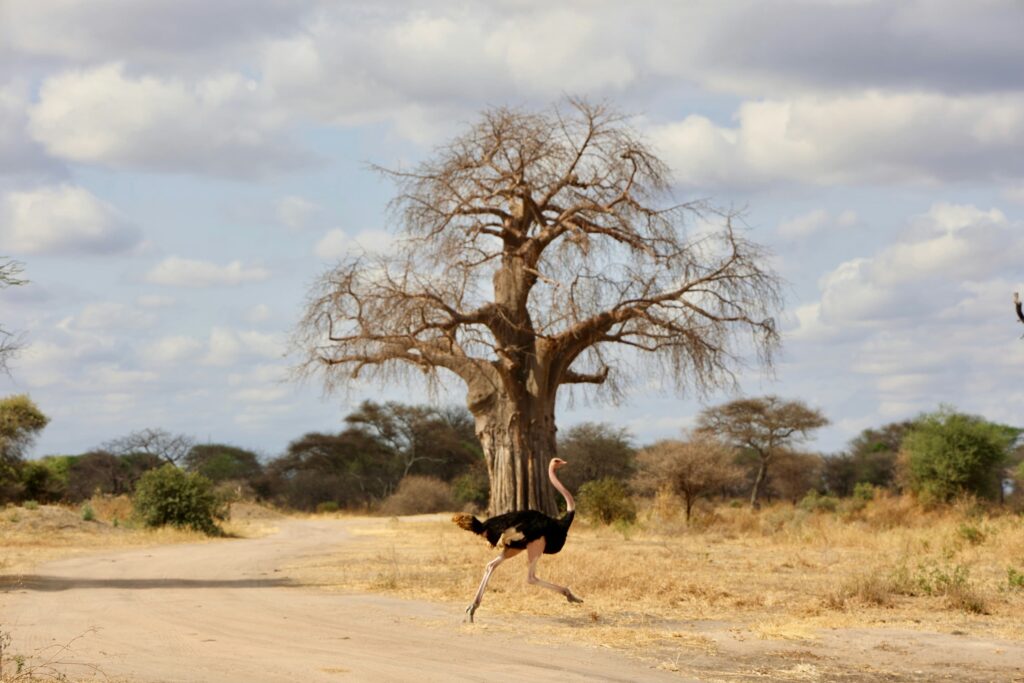
Tarangire's ancient baobabs — some estimated to be over 1,000 years old — create one of Africa's most distinctive landscapes, their vast trunks and skeletal branches providing iconic photographic subjects.
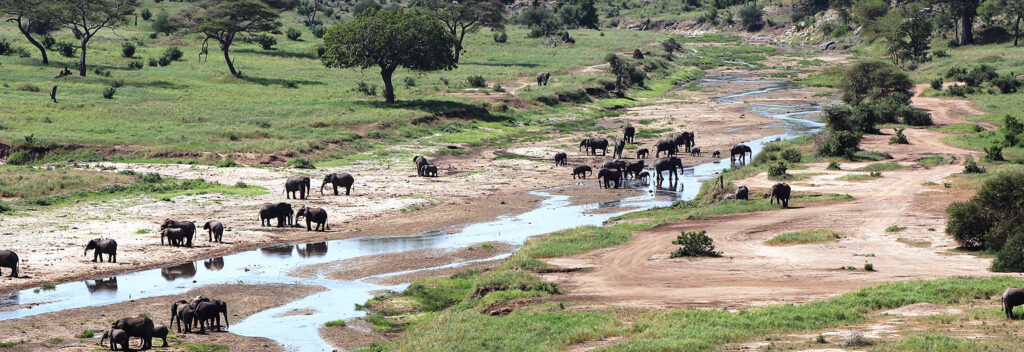
Tarangire River Game Viewing
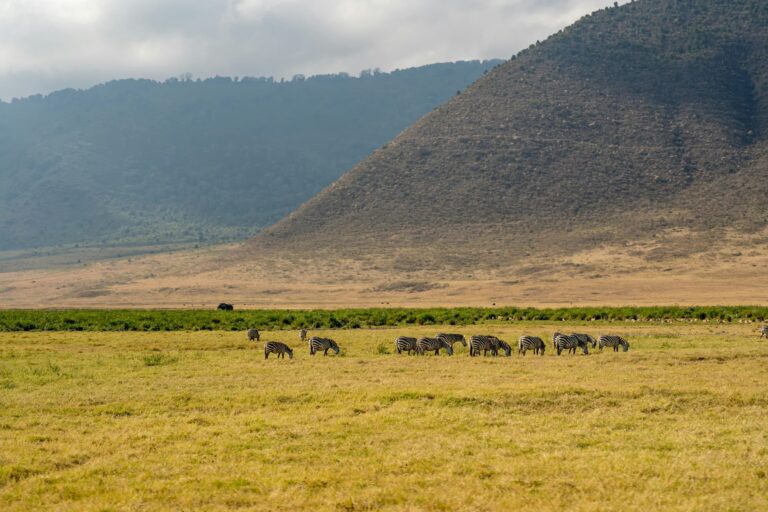
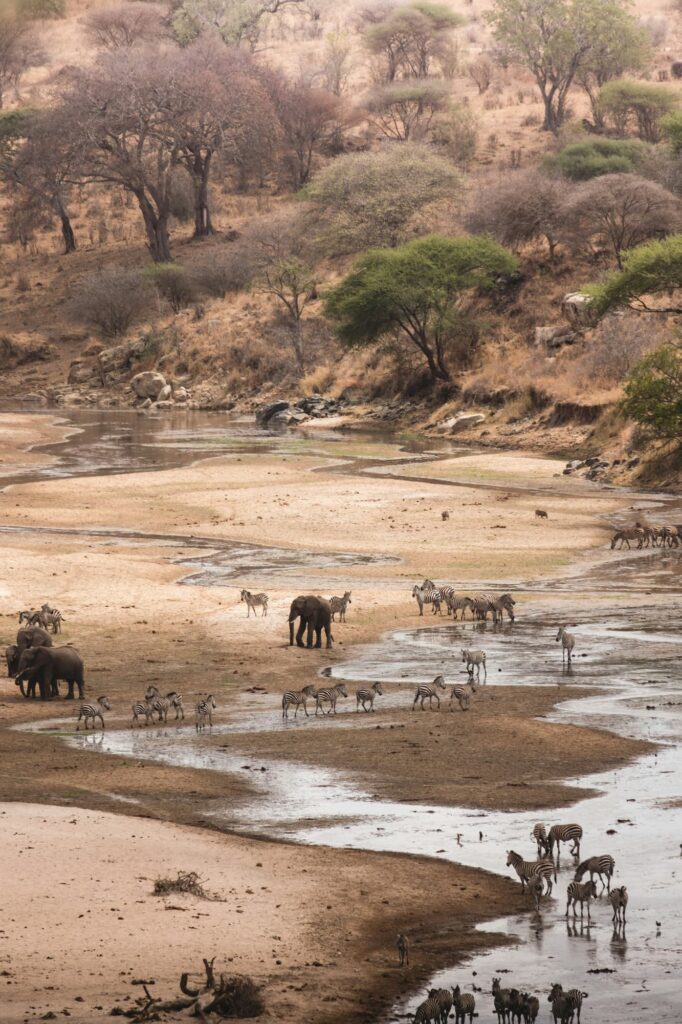
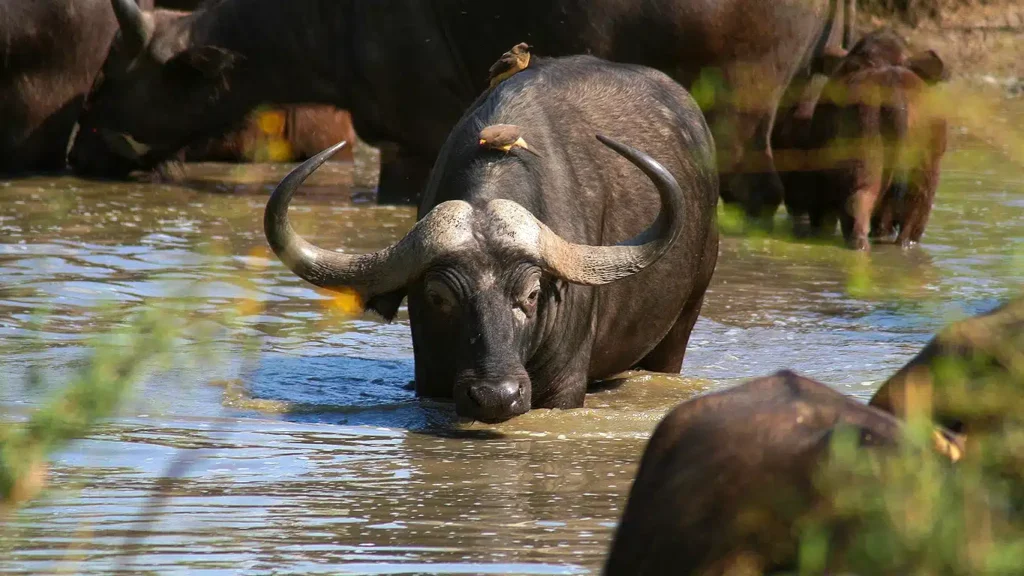
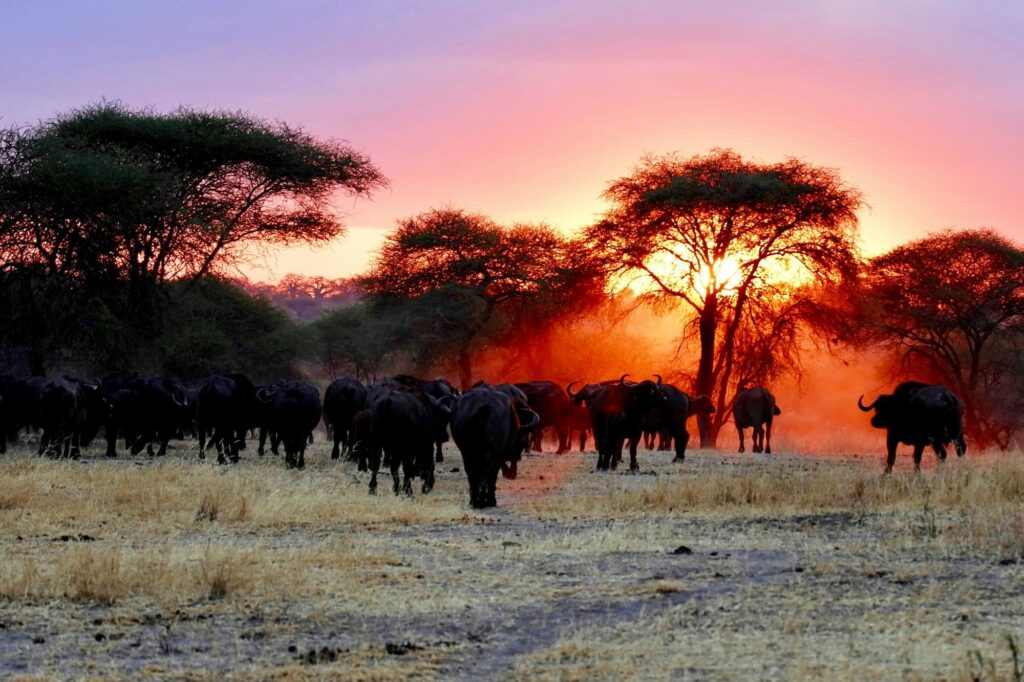
During the dry season the Tarangire River draws extraordinary concentrations of wildlife — thousands of elephants, zebra, wildebeest, and buffalo, with lions and leopards following close behind.
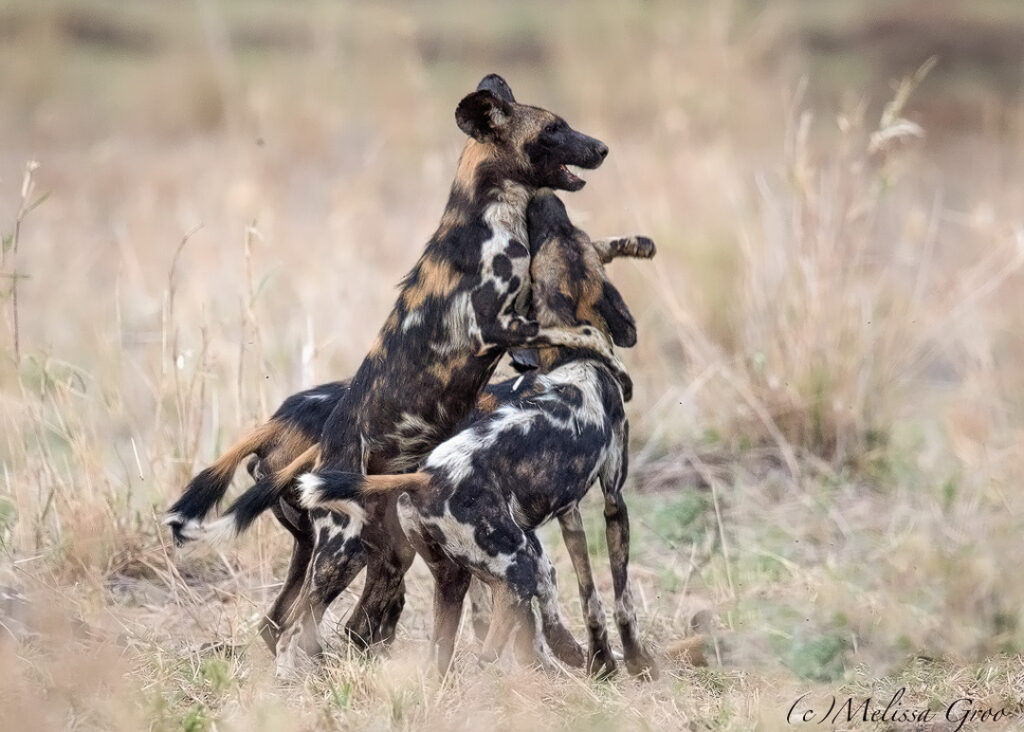
Wild Dogs
Tarangire is one of Tanzania's most reliable parks for African wild dog sightings — several resident packs roam the park's miombo woodland and are tracked regularly by camps in the area.
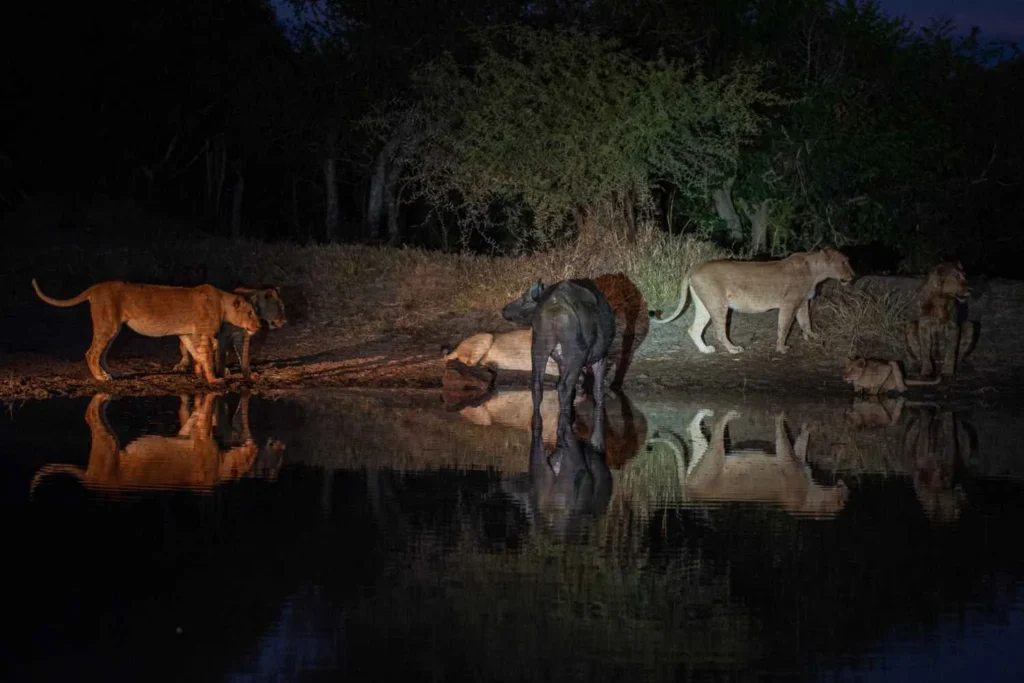
Night Game Drives
Night drives in Tarangire — particularly from private camps in the Tarangire–Manyara ecosystem — reveal porcupines, aardvark, servals, and leopards rarely seen by day visitors.
Photo Gallery
Our Insider Tips
Visit in the dry season for elephants. August–October is when Tarangire's elephant concentrations are at their most extraordinary — hundreds of elephants at the river simultaneously, with the ancient baobabs as backdrop.
Extend into the private concession areas. Camps like Oliver's Camp in the Tarangire-Manyara Ecosystem operate in private concessions with walking safaris, night drives, and off-road driving not available in the main park.
It gets overlooked — use that to your advantage. Most tourists on the northern circuit skip Tarangire or do it as a day trip. Book 2 nights here and you'll have it almost to yourself — extraordinary value compared to the Serengeti.