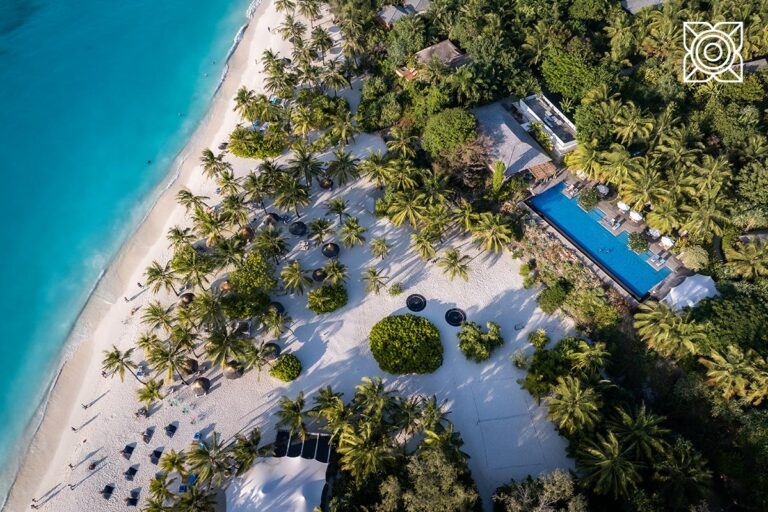
Zanzibar
Zanzibar is a semi-autonomous archipelago off the coast of Tanzania, famed for its powder-white beaches, turquoise Indian Ocean waters, and the labyrinthine lanes of UNESCO-listed Stone Town. The island blends Arab, Persian, Indian, and African influences in its architecture, cuisine, and culture. Beyond the beach, visitors can explore spice plantations, swim with whale sharks, and discover the rare red colobus monkeys of Jozani Forest. The perfect complement to a mainland Tanzania safari.
Attractions & Wildlife
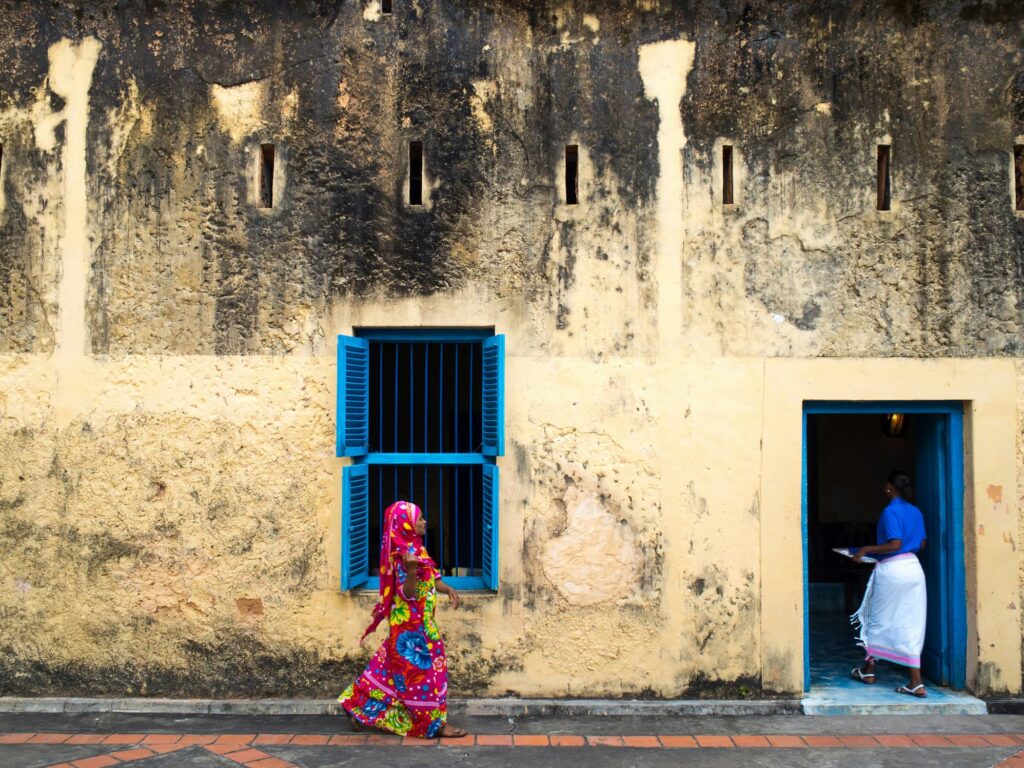
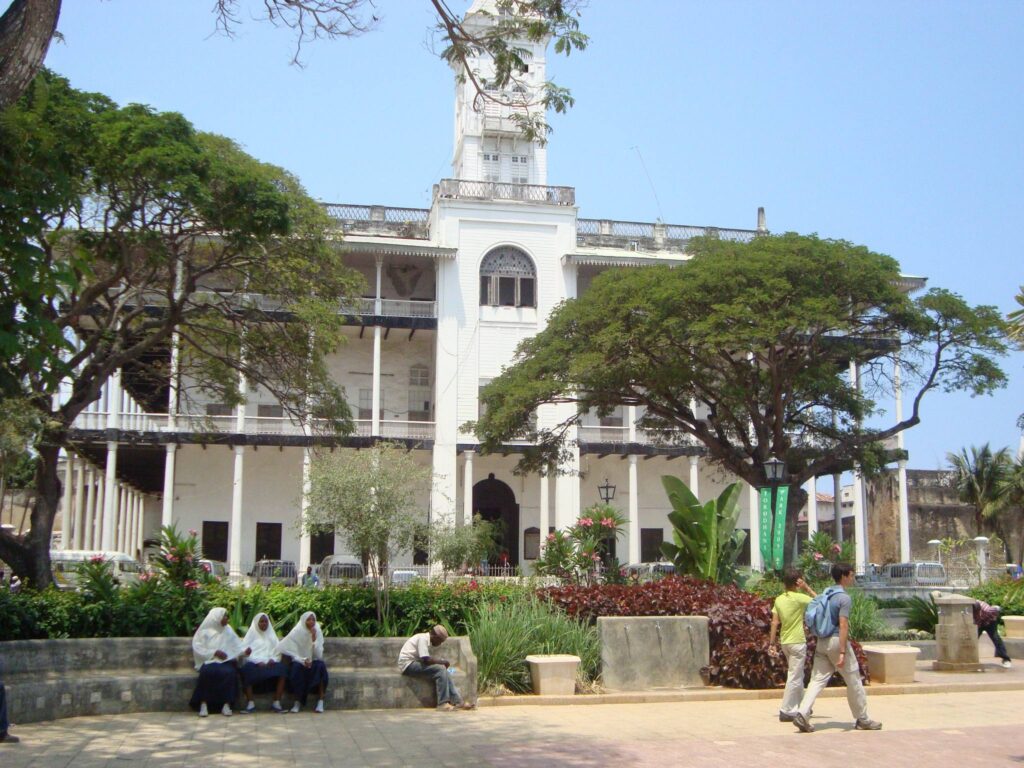
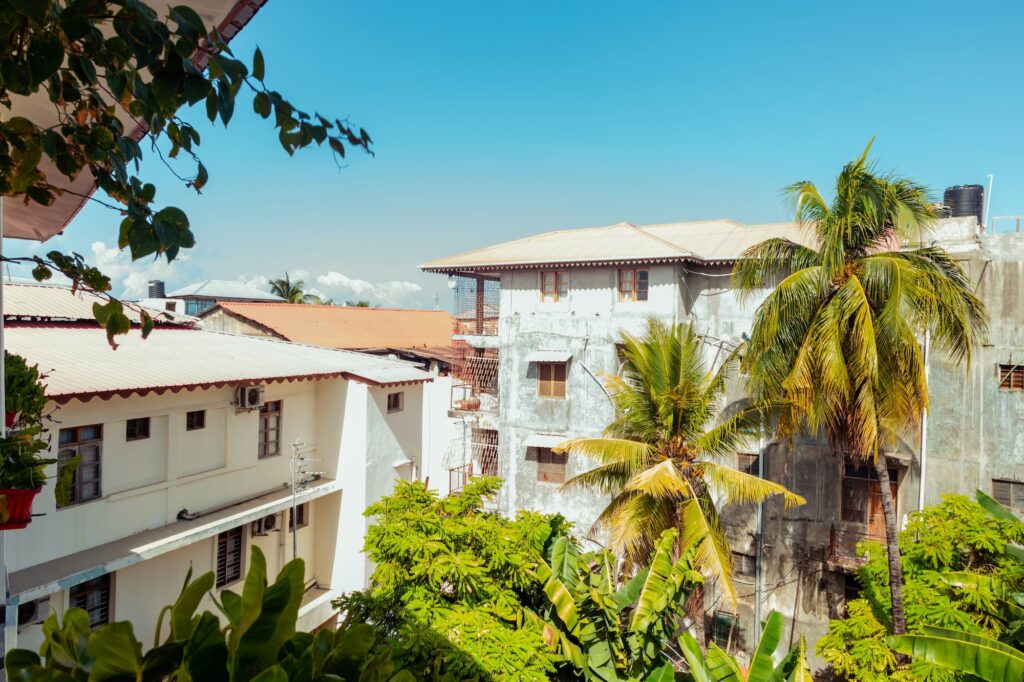
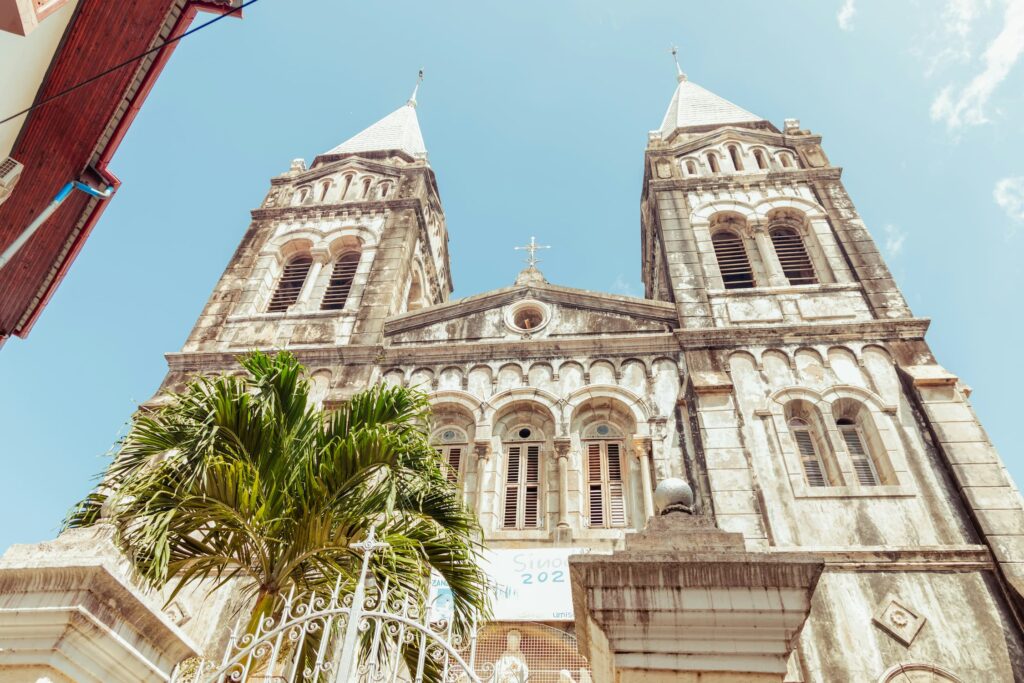
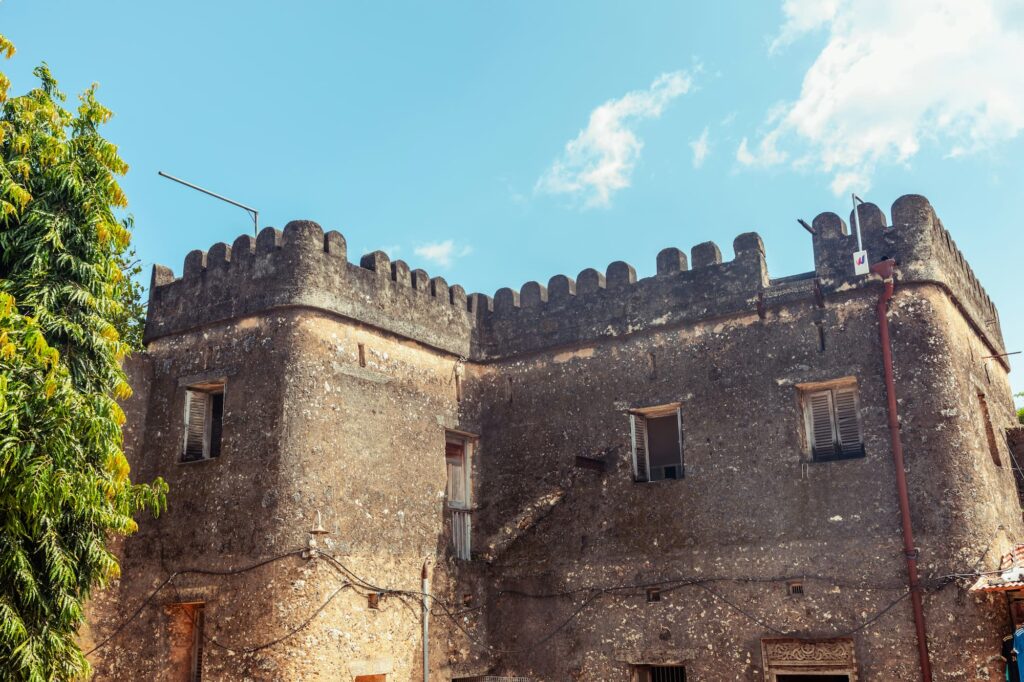
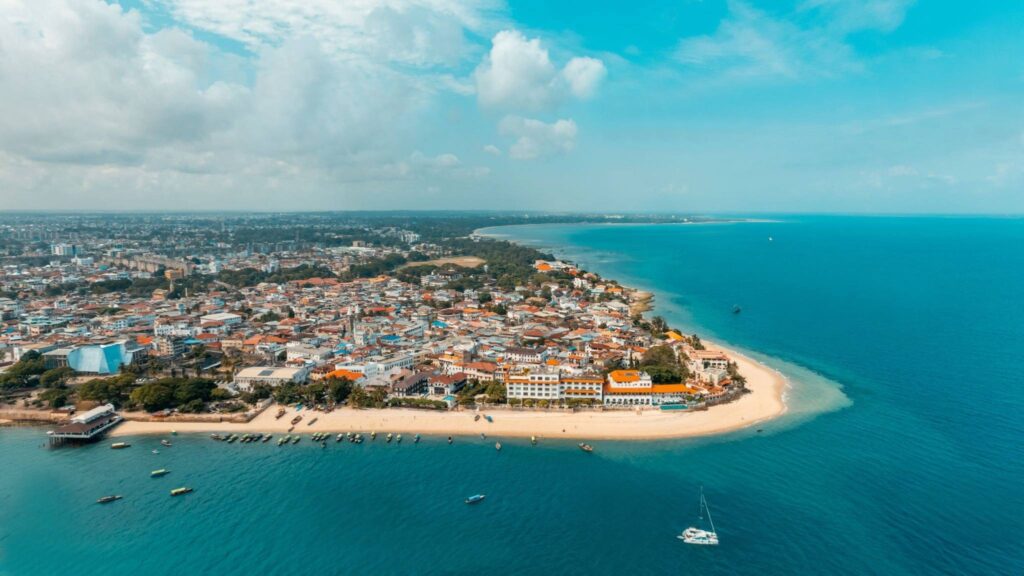
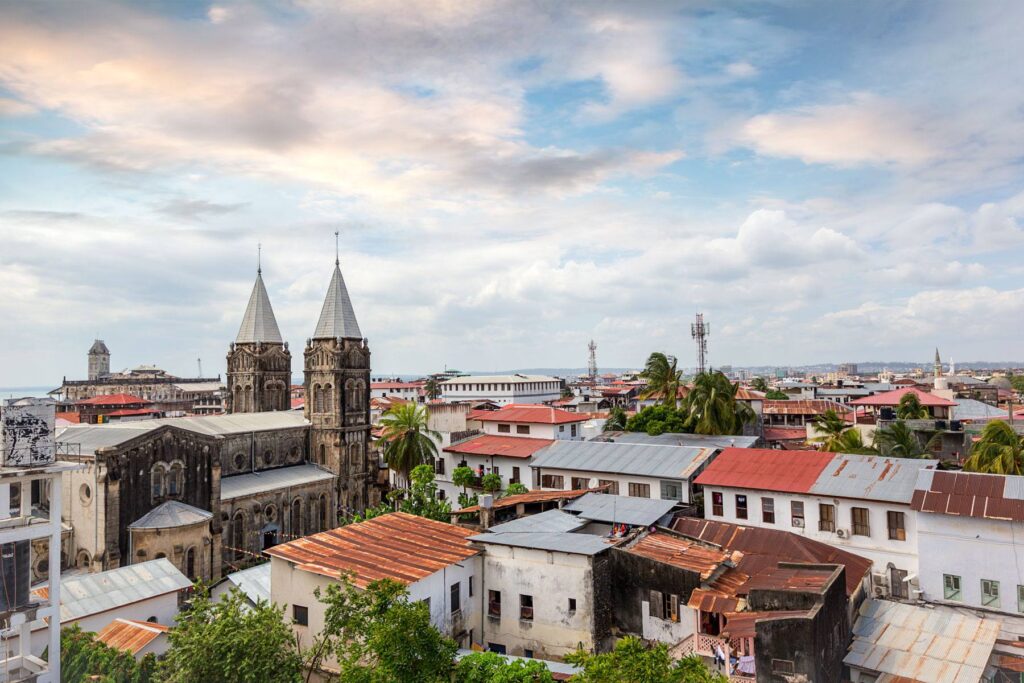
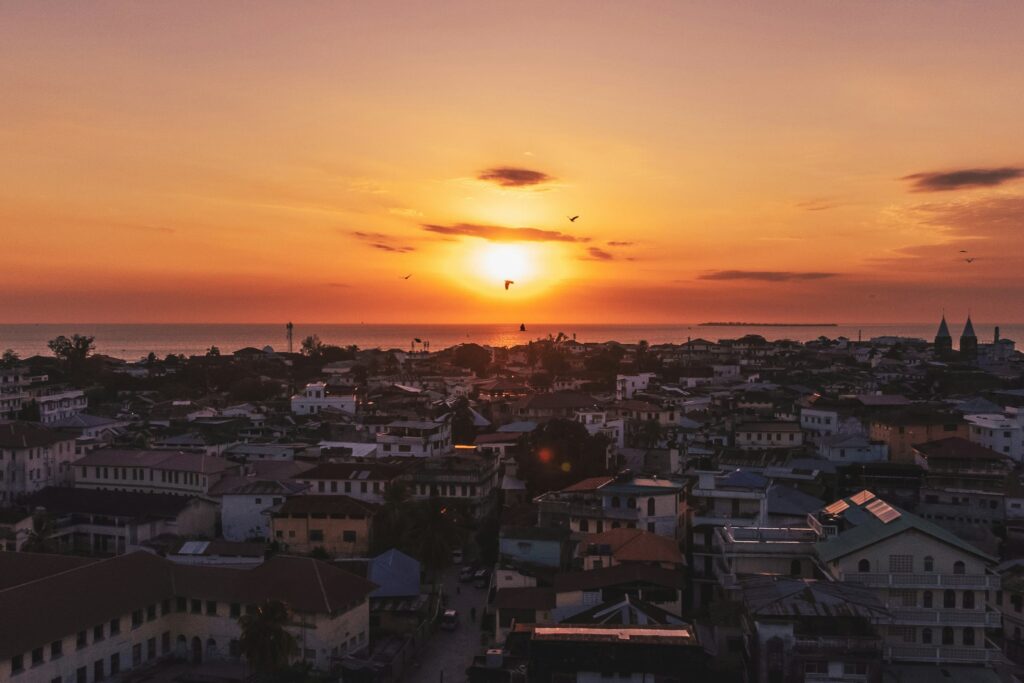
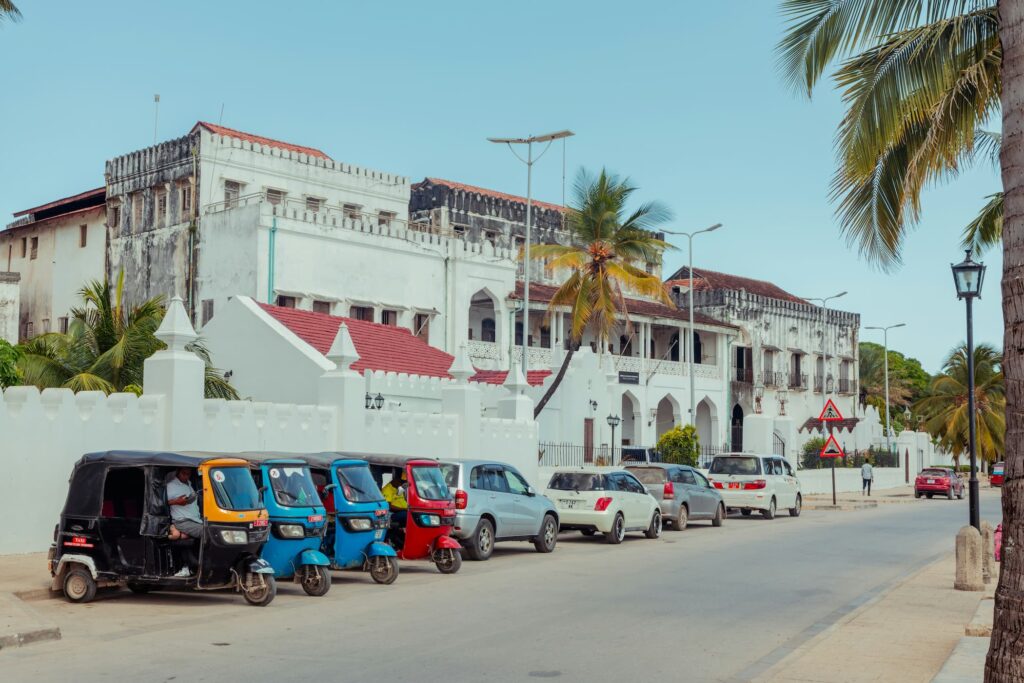
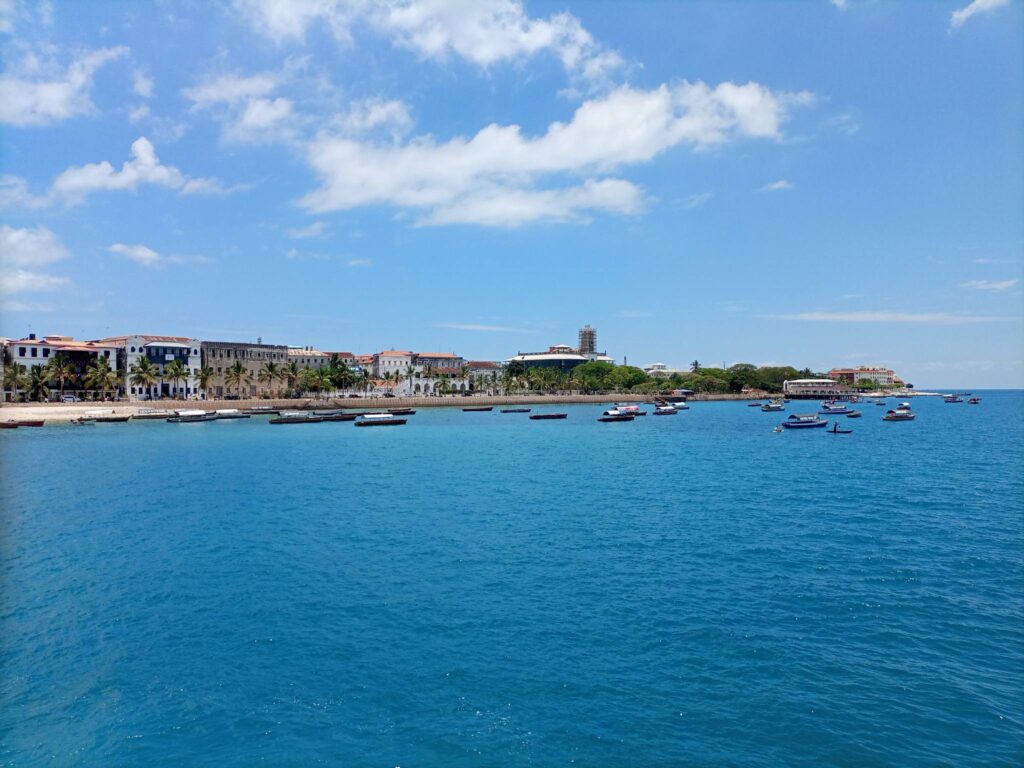
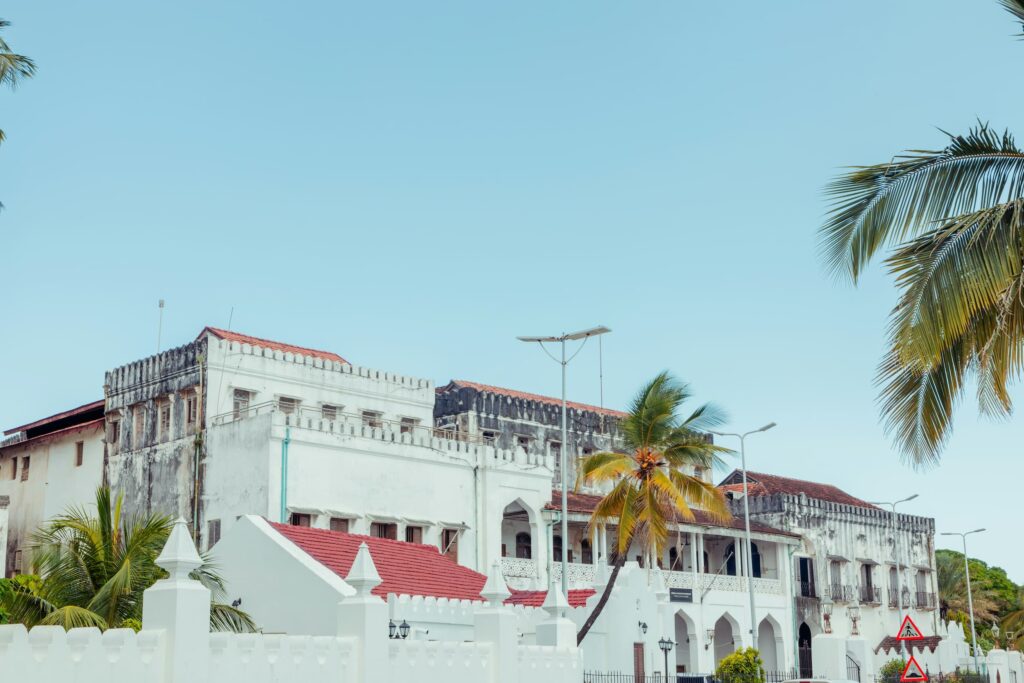
Stone Town
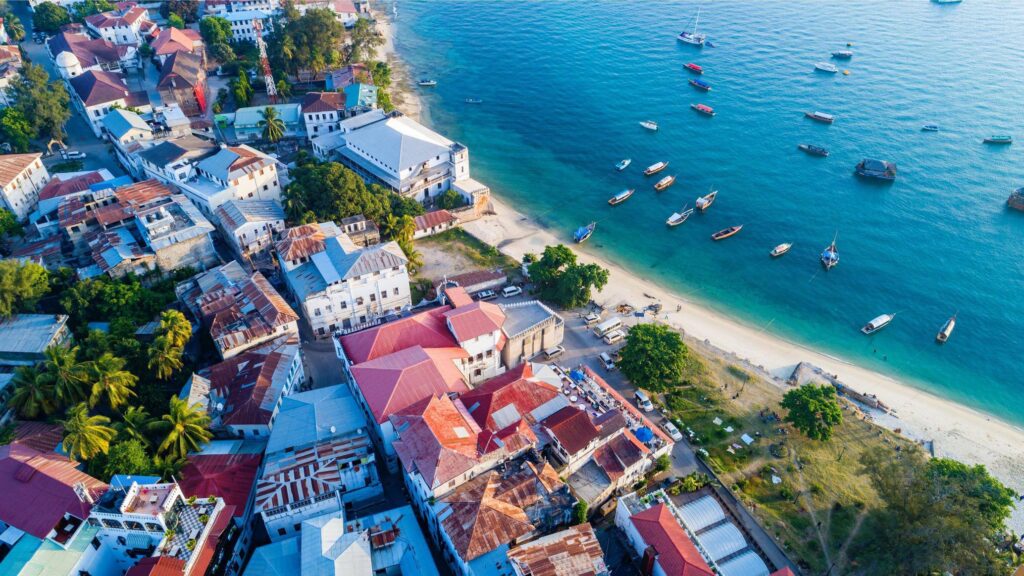
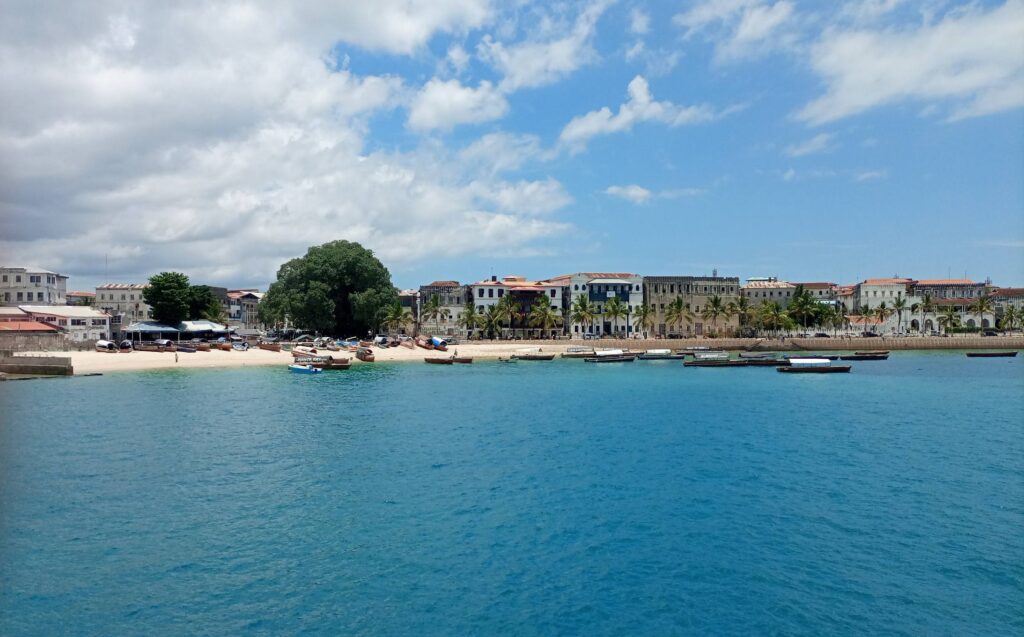
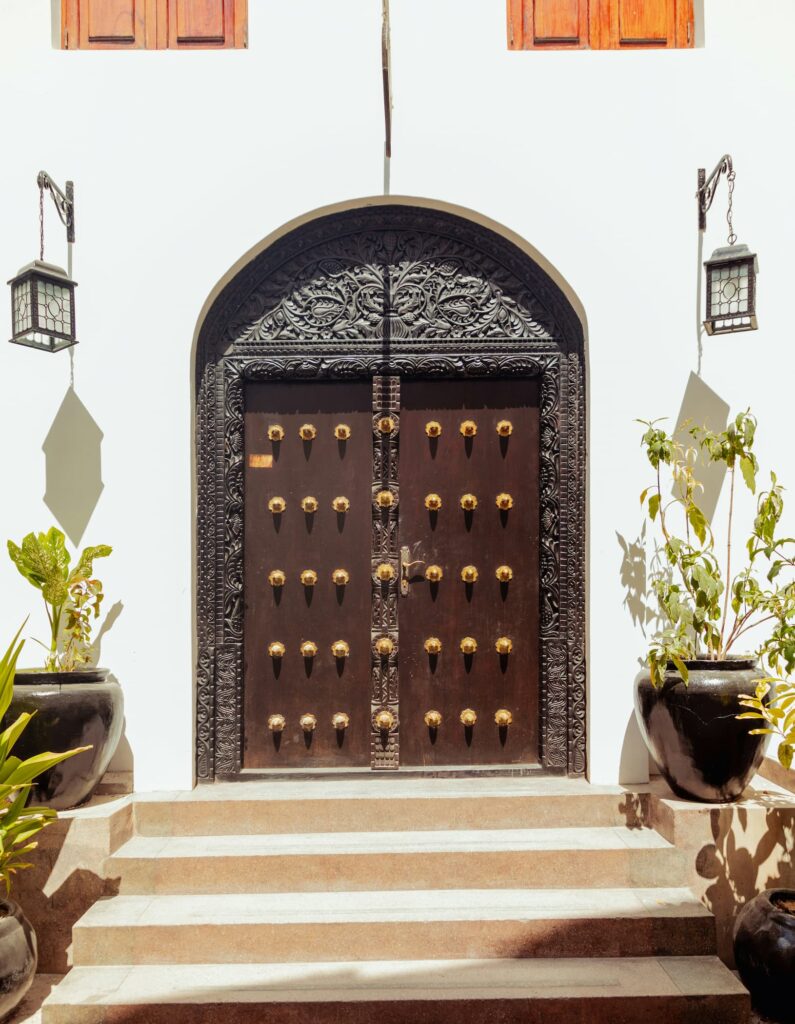
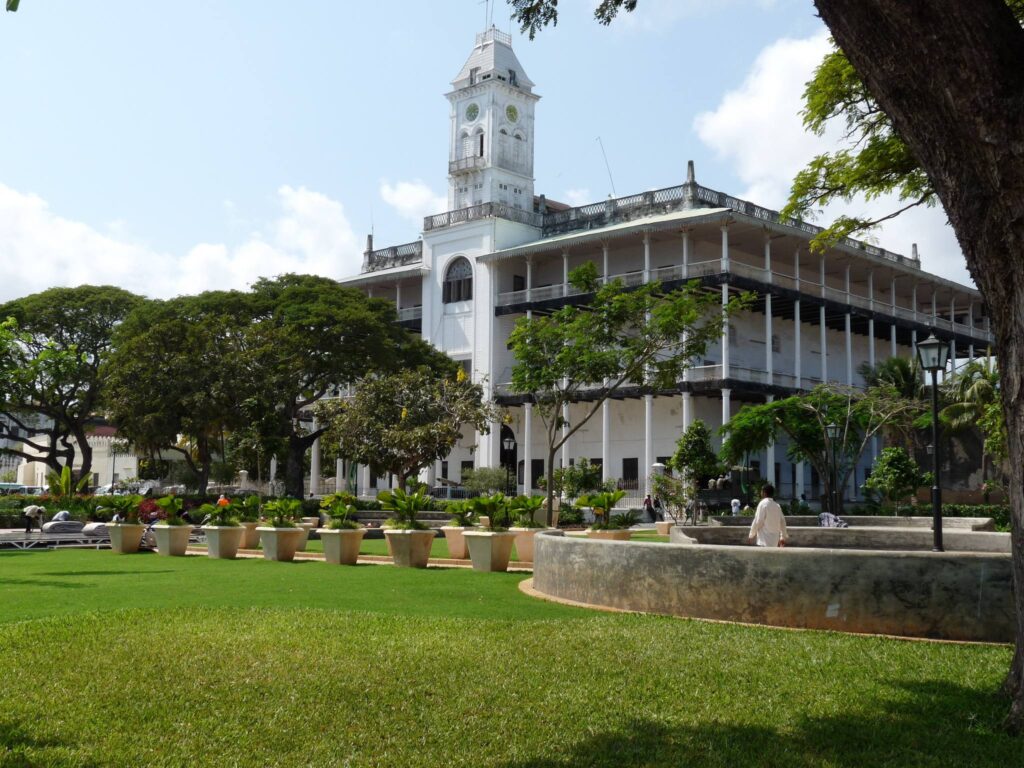
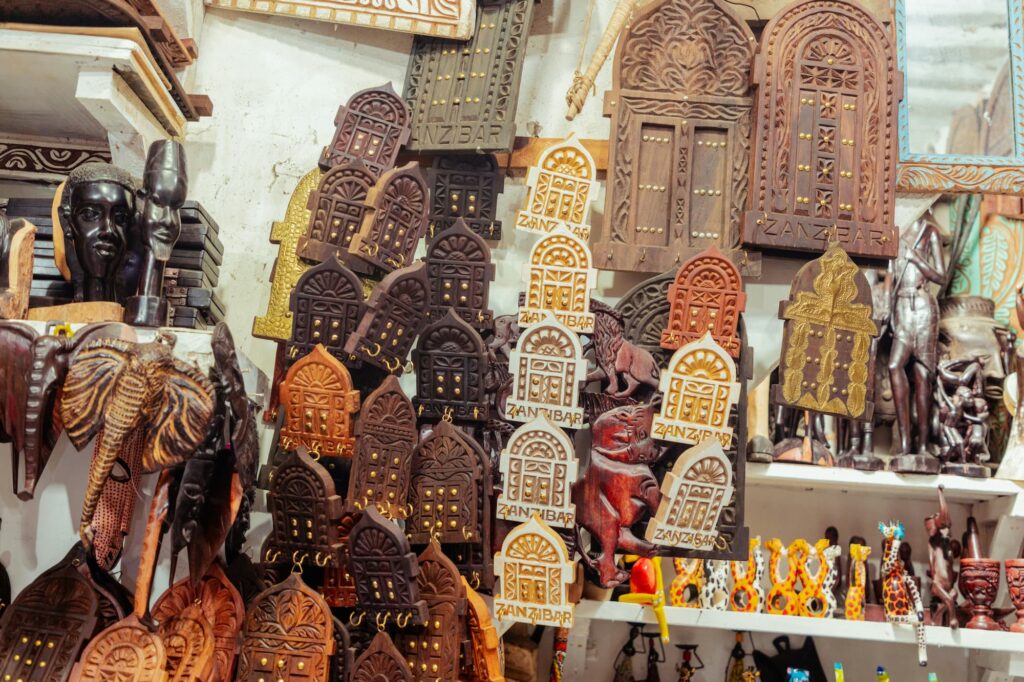
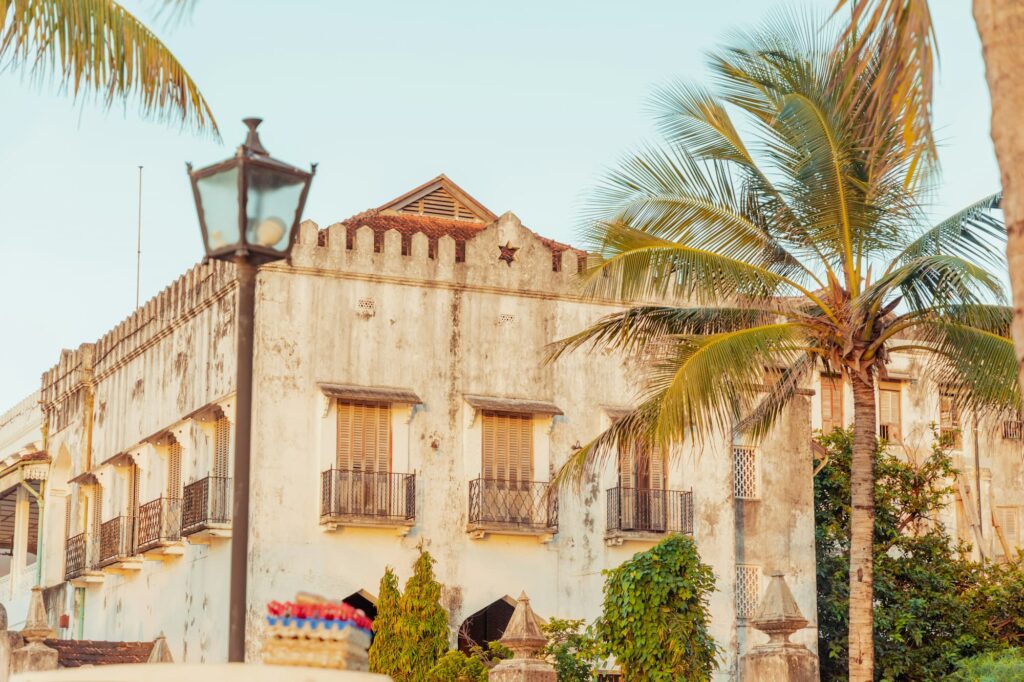
A UNESCO World Heritage Site of winding alleys, carved wooden doors, Arab houses, and bustling spice markets that has been the Indian Ocean's most important trading port for centuries.
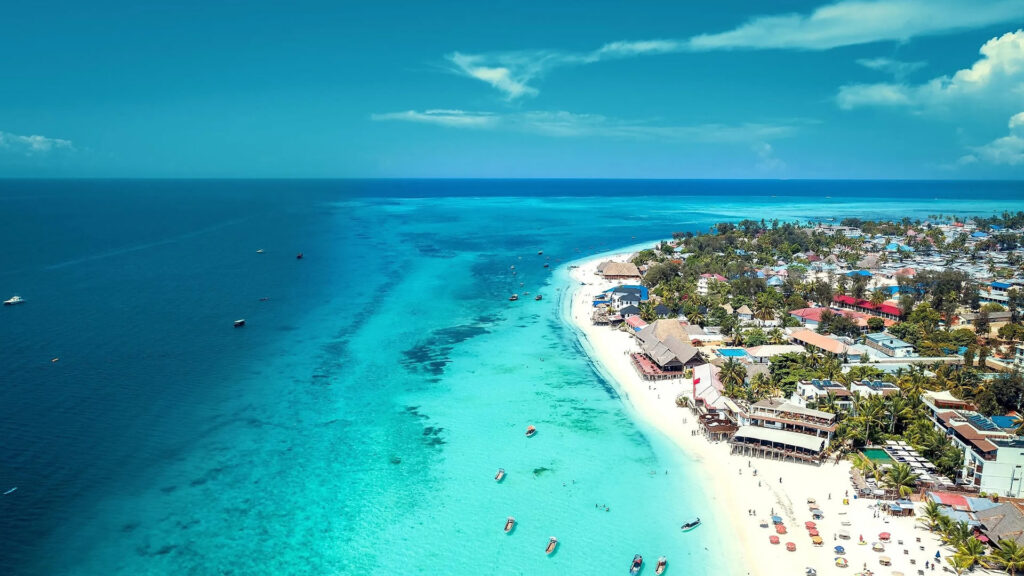
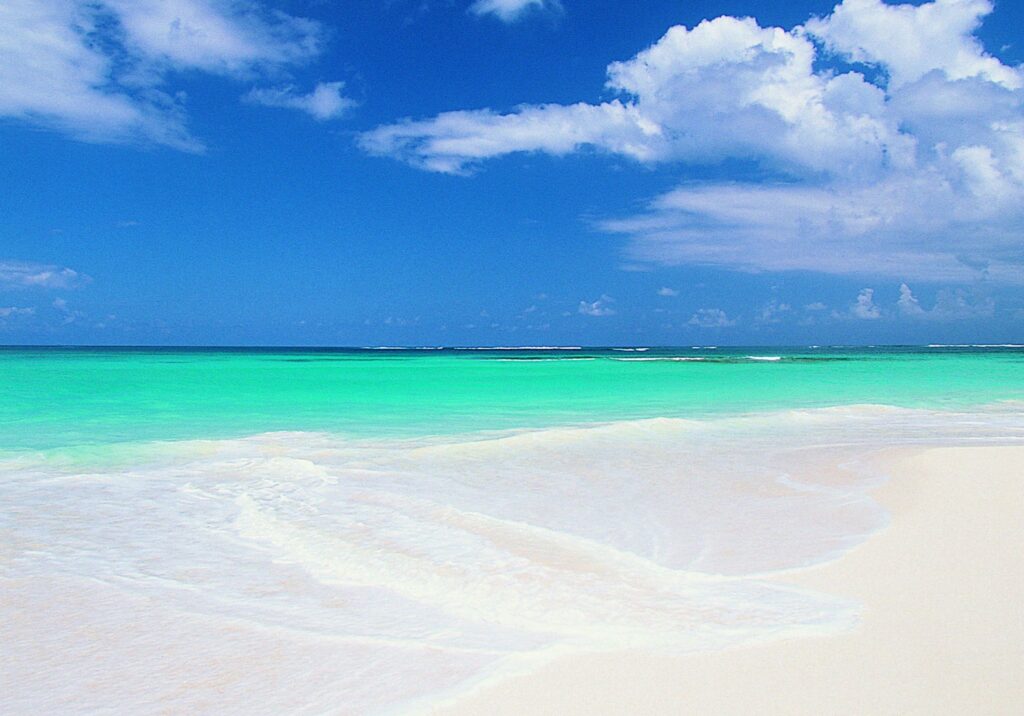
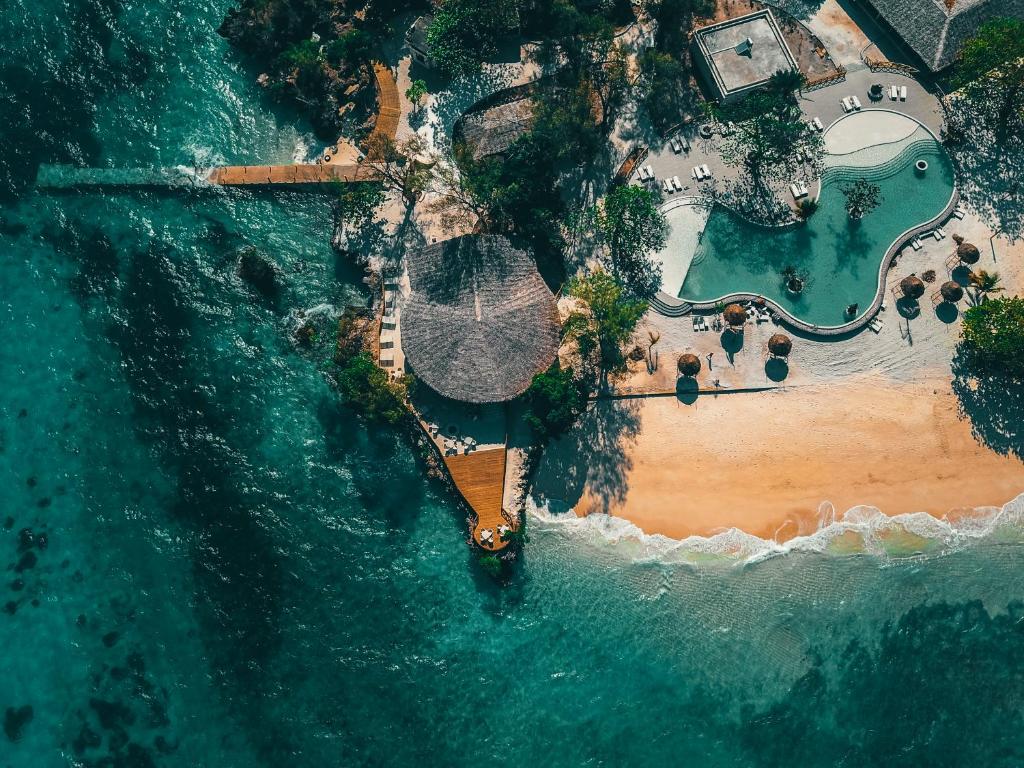
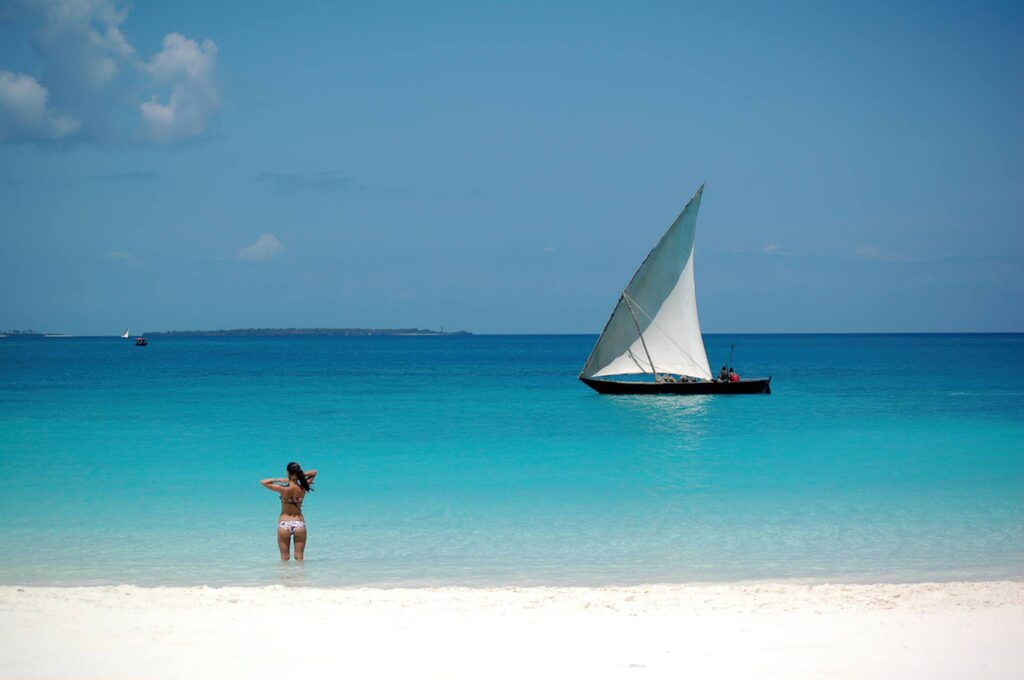
Nungwi & Kendwa Beaches
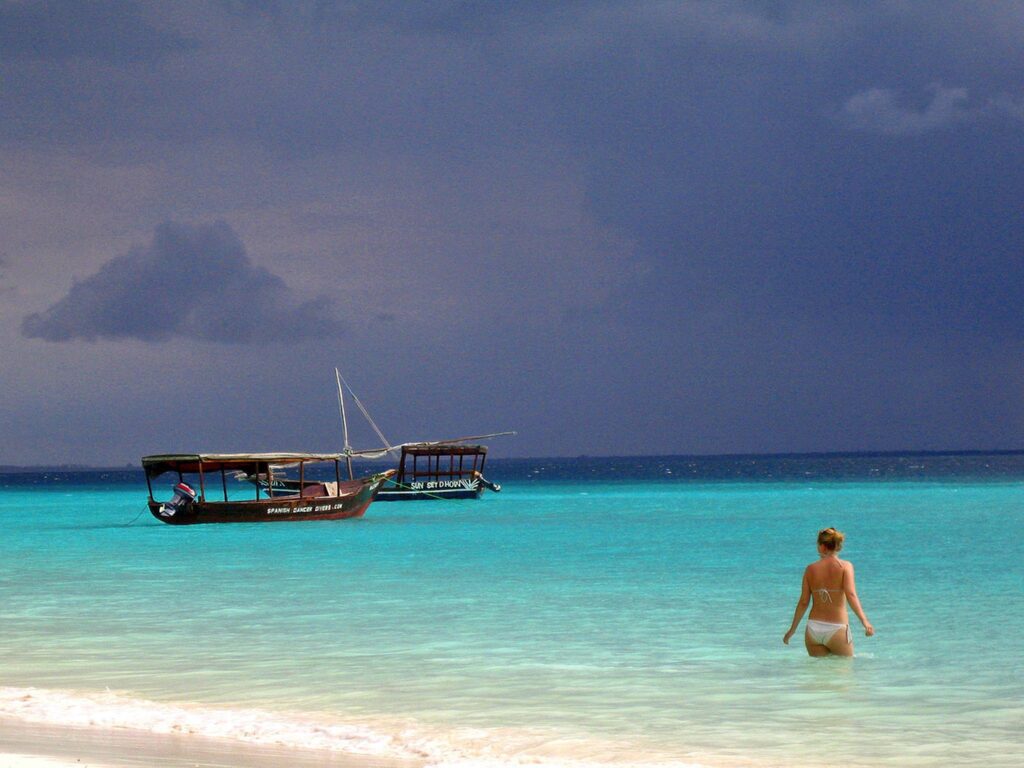
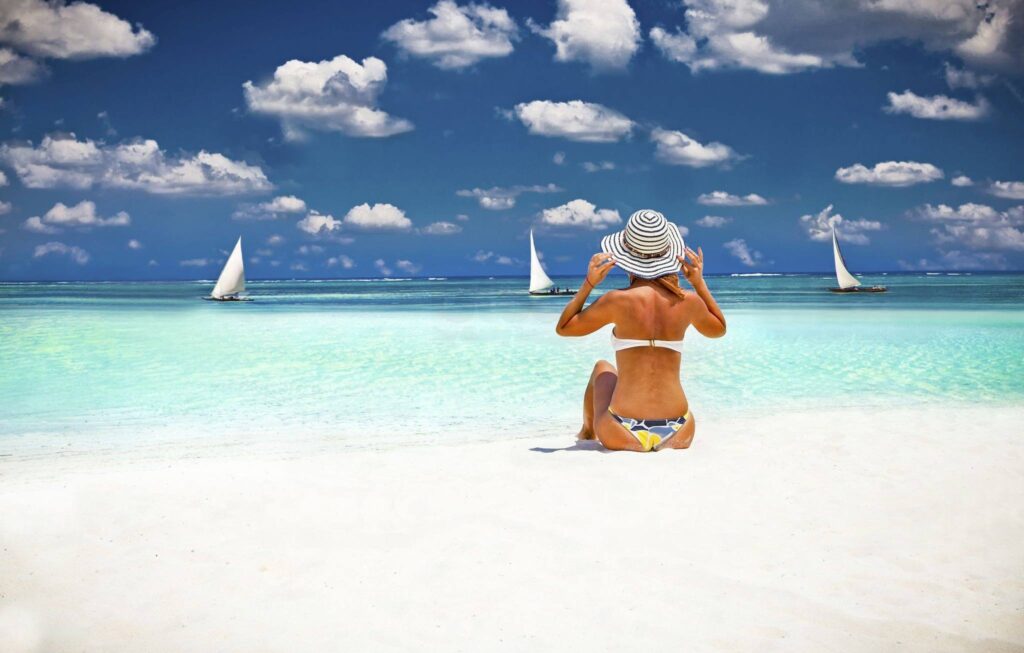
The finest beaches in Zanzibar — talcum-white sand, turquoise water, and the warm, calm waves of the Indian Ocean. Nungwi has the most consistent swimming conditions year-round.
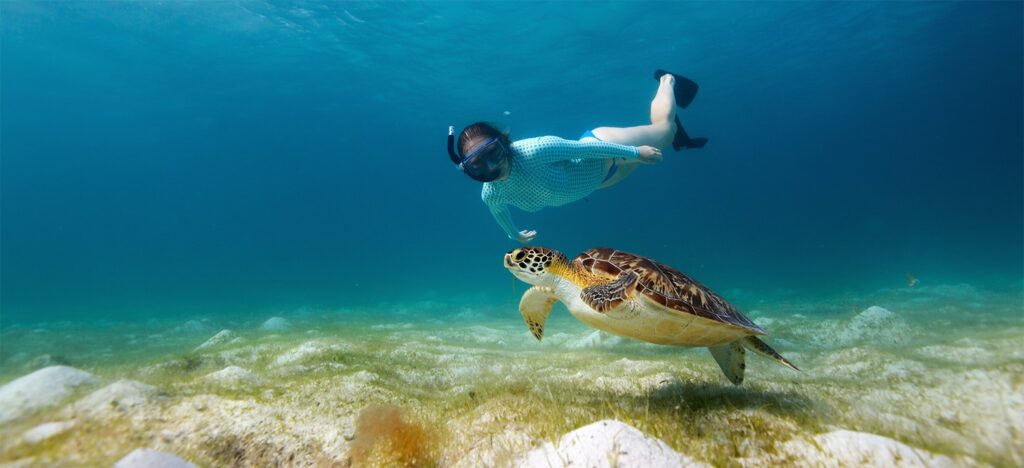
Whale Shark Snorkelling
Between October and March, Zanzibar's waters host whale sharks and organised trips to snorkel with these gentle giants at close range are an extraordinary ocean experience.
Spice Farm Tour
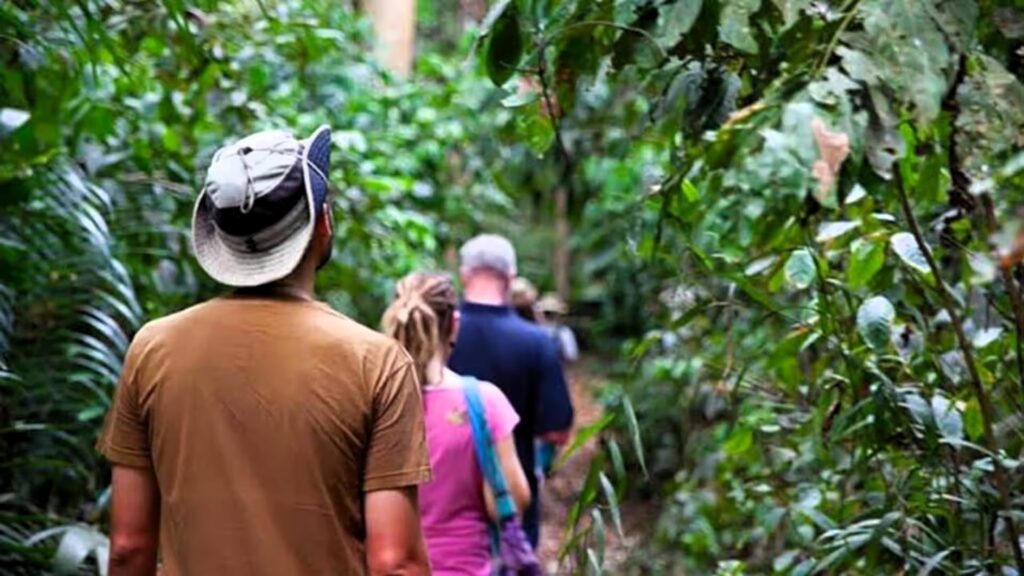
Zanzibar was once the world's largest clove exporter. Guided spice farm tours introduce visitors to cloves, nutmeg, vanilla, cardamom, and pepper growing in abundance.
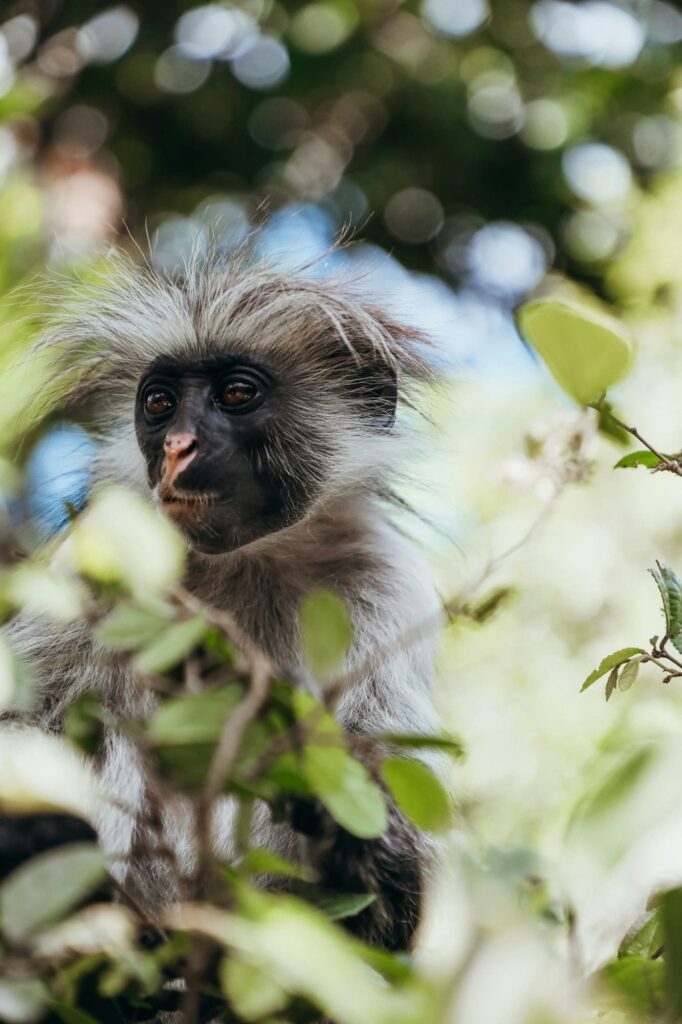
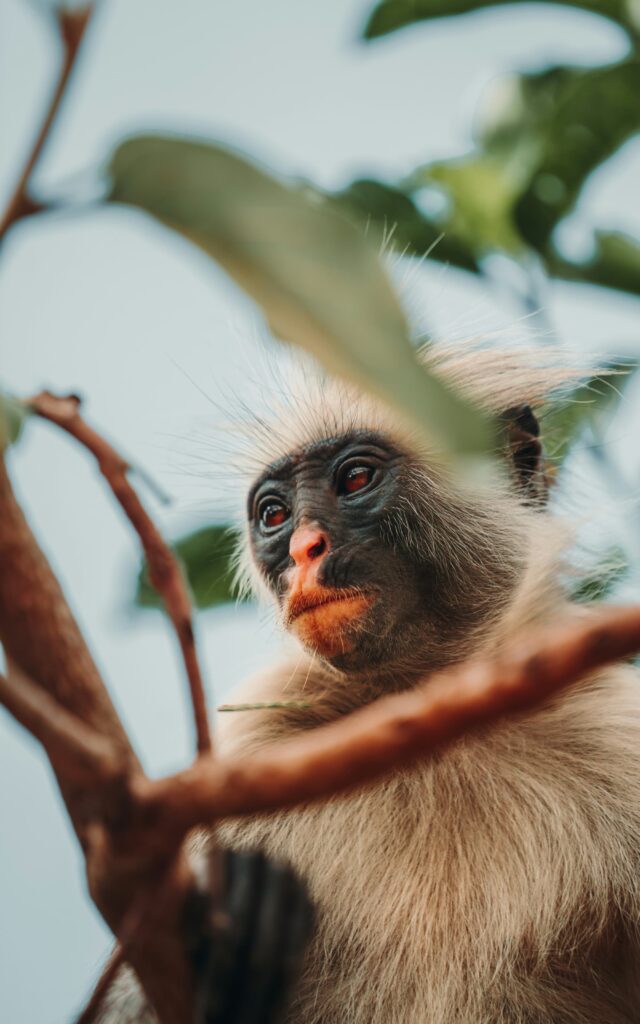
Jozani Forest & Red Colobus
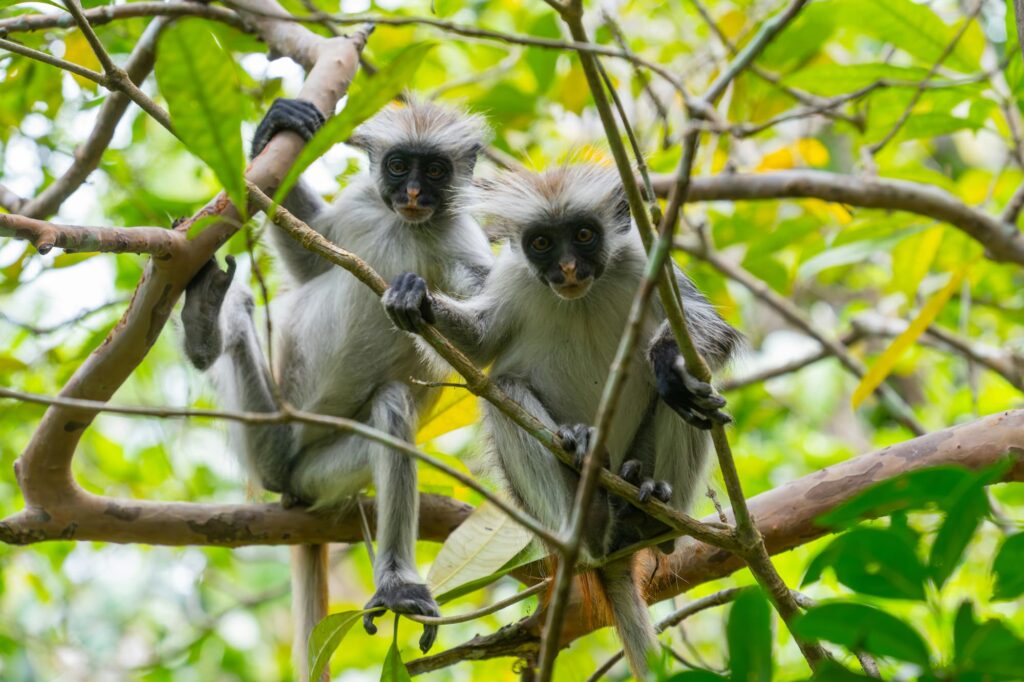
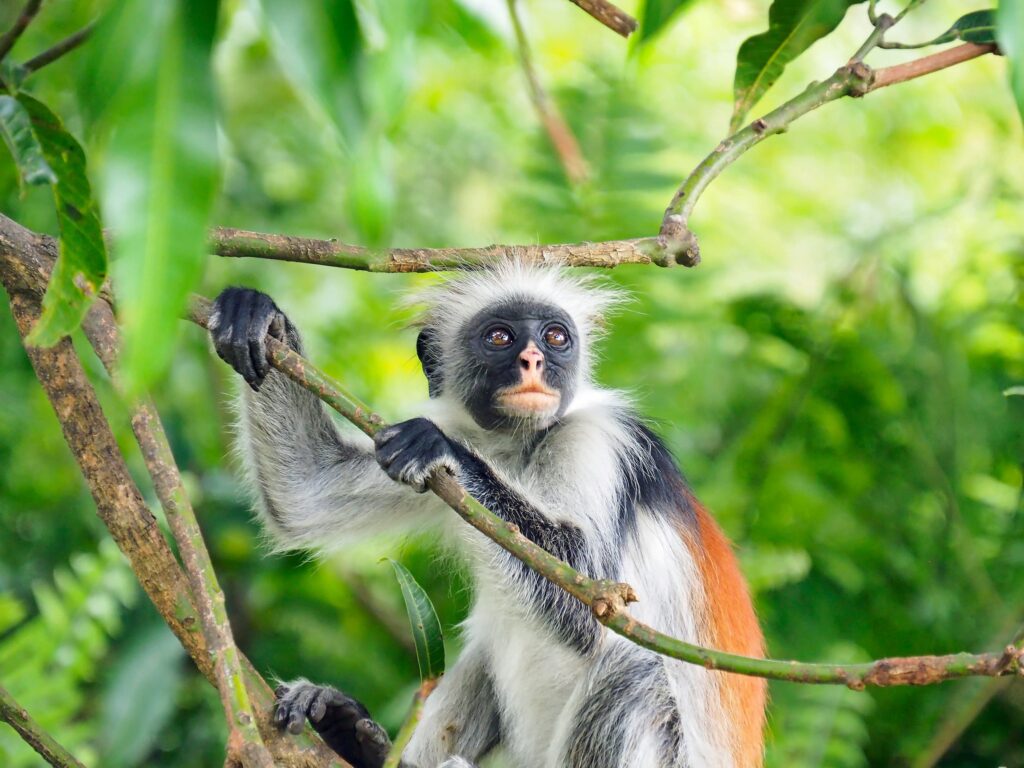
The last remaining indigenous forest of Zanzibar is home to the endemic Zanzibar red colobus monkey — found nowhere else on earth.
Photo Gallery

Our Insider Tips
Avoid northeast monsoon on the east coast. The east coast suffers rough seas and winds from March to May. The north coast (Nungwi, Kendwa) swims year-round.
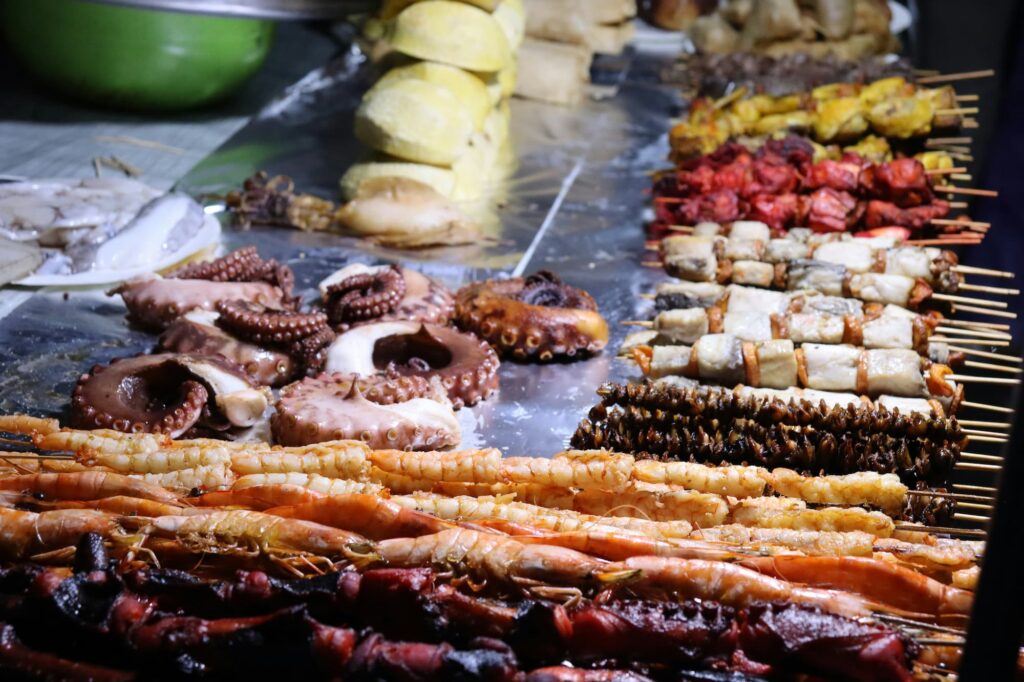
Spend at least 2 nights in Stone Town. Stone Town deserves more than a quick lunch stop. Two nights allows evening wandering through the alleys and the best seafood at the Forodhani night market.
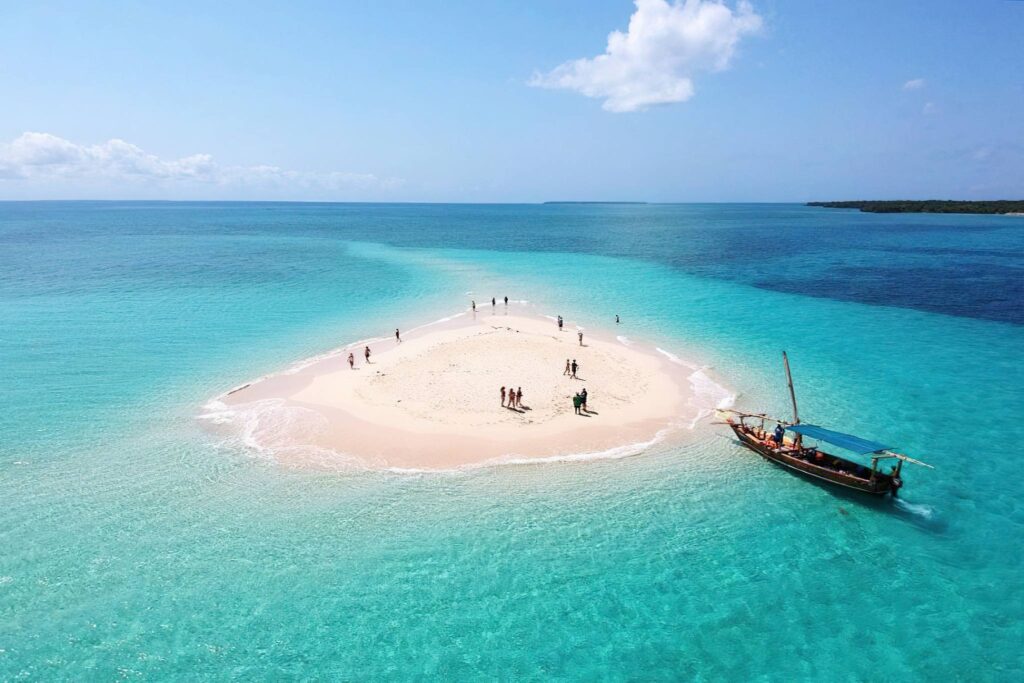
Negotiate with local fishermen for sandbank trips. Several sandbars emerge at low tide offshore from villages in the east — local fishermen will take you on a dhow for a fraction of tour operator prices.